Article · Field note 29
Pressure acts on the whole animal
At sea level, pressure is about one atmosphere. It rises by roughly another atmosphere for every ten meters of seawater, so the load at several kilometers is enormous compared with what a human body normally experiences. Yet a deep-sea fish is not a hollow container that must resist pressure from the outside. Its tissues contain water and are close to the surrounding pressure. The challenge is not simply avoiding a body-wide crush; it is keeping cells, proteins, membranes, and chemical reactions working under conditions that alter their behavior.
That distinction corrects a familiar cartoon: a deep-sea animal does not survive because it is “made of stronger material” in the same way as a submarine hull. A vehicle contains gas-filled spaces and must maintain an interior pressure suitable for people and electronics. Many marine tissues are water-rich and do not contain large compressible air cavities. Local structures still matter, and pressure can affect biological molecules, but the engineering problem is different.
Proteins have to keep doing their jobs
Proteins fold into shapes that let them bind molecules, catalyze reactions, or form structural elements. High hydrostatic pressure can shift the balance among those shapes and interfere with processes such as folding, assembly, and ligand binding. Deep-sea organisms have evolved molecular features that help preserve function, and the details differ among lineages and proteins.
An important class of small organic molecules called piezolytes can help counter pressure effects. Trimethylamine N-oxide, or TMAO, is one well-studied example in marine fishes. The research article “Marine fish may be biochemically constrained from inhabiting the deepest ocean depths” discusses how measured TMAO concentrations in teleost fishes rise with habitat depth and examines a possible physiological limit. This is evidence for a pressure-related pattern in fish, not a universal formula for every animal in the ocean.
Protein sequence and structure also matter. Deep-living species can have variants that retain function under pressure better than related shallow-water versions. Enzymes from different habitats may respond differently in laboratory pressure experiments. Scientists compare homologous proteins, measure reaction rates, and examine their structure. Each experiment tests a defined molecule under specified temperatures and pressures; it does not establish that every protein in an animal behaves identically.
Membranes are part of the adaptation
Cell membranes are not rigid walls. They are dynamic layers of lipids and proteins whose physical properties affect transport and signaling. Pressure and cold can change membrane behavior. Research on deep-sea fishes and snailfishes describes differences in membrane lipid composition, proteins, and skeletal properties across habitat depths. A comparative study of snailfishes, for example, connects habitat with skeletal morphology and density while reviewing several proposed pressure adaptations (study in Frontiers in Zoology).
It is tempting to reduce all of this to “deep-sea animals have more unsaturated fats.” The biology is more nuanced. Different tissues have different needs, and cold and pressure do not necessarily impose identical effects. Some molecular adjustments are well supported in one group and uncertain in another. Recent work on membrane lipids has also challenged simple rules, suggesting that particular lipid shapes and interactions can be important beyond a general claim about increased fluidity. A useful summary should identify which organism and tissue were measured.
Body plans are shaped by more than pressure
Many deep-sea animals have soft bodies, reduced mineralization, or buoyant tissues. Those features can be related to energy budgets, locomotion, food availability, and habitat as well as pressure. A fish with a reduced or absent gas bladder may avoid a structure that would be difficult to maintain at depth, but the absence of a swim bladder alone does not explain all of its physiology. Some animals move vertically and experience pressure changes; others remain near a narrower range.
There is also no single pressure adaptation shared by every deep-sea organism. Fishes, crustaceans, mollusks, echinoderms, and microbes have different body designs and biochemical systems. A protein-stabilizing molecule important in a fish may not play the same role in a sea cucumber. The phrase “pressure adaptation” names a research area, not one part that every deep animal possesses.
The limits of collecting animals
Sampling itself can complicate pressure research. When an animal is brought to the surface, temperature, pressure, light, and oxygen conditions change. Some organisms remain intact; others are damaged or deteriorate. A fish recovered from a deep habitat may still be useful for genetic and anatomical work, while certain physiological processes are difficult to study under altered conditions. Researchers increasingly use pressure-retaining equipment, in-situ instruments, and experiments designed to preserve relevant environmental conditions.
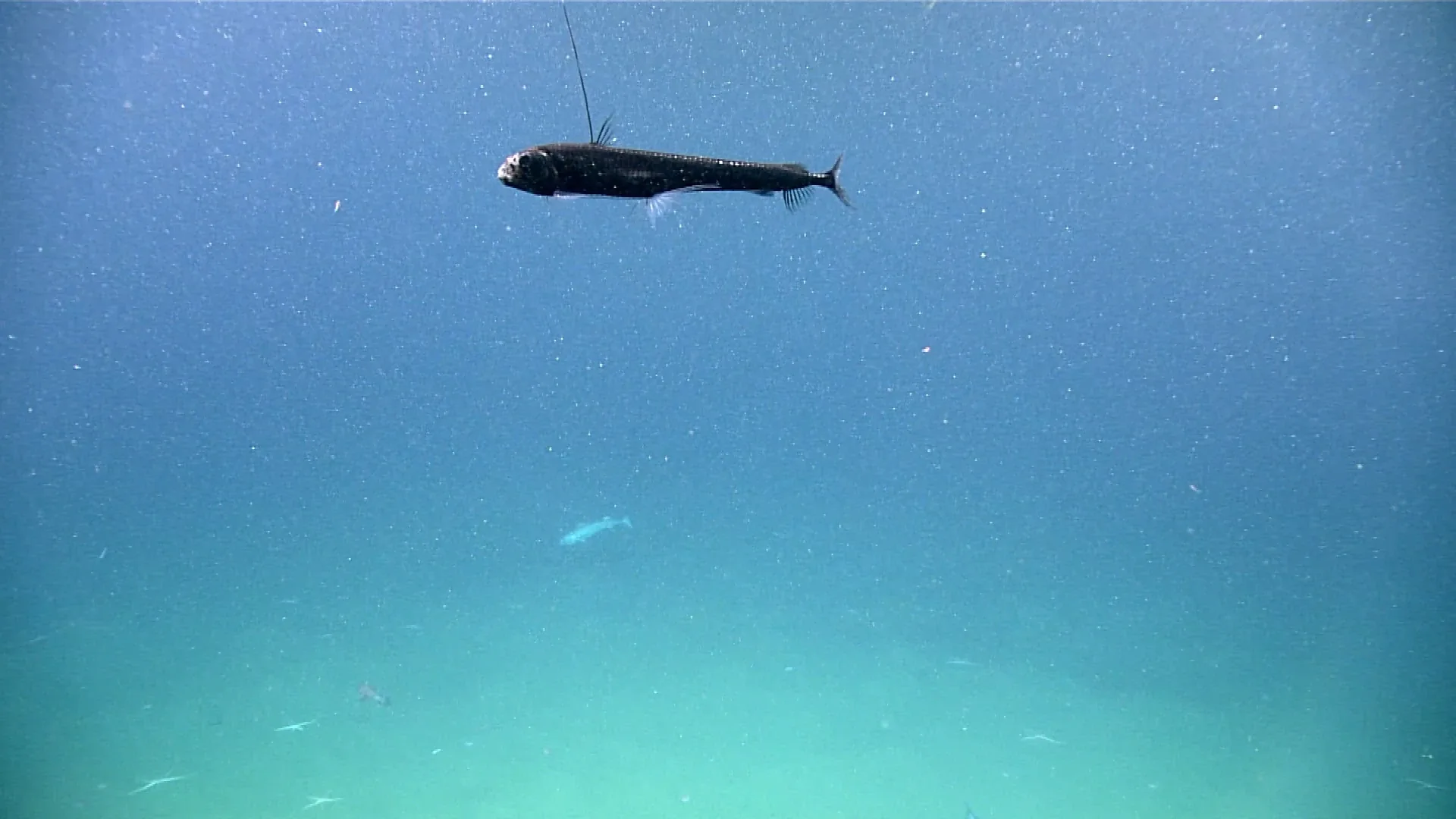
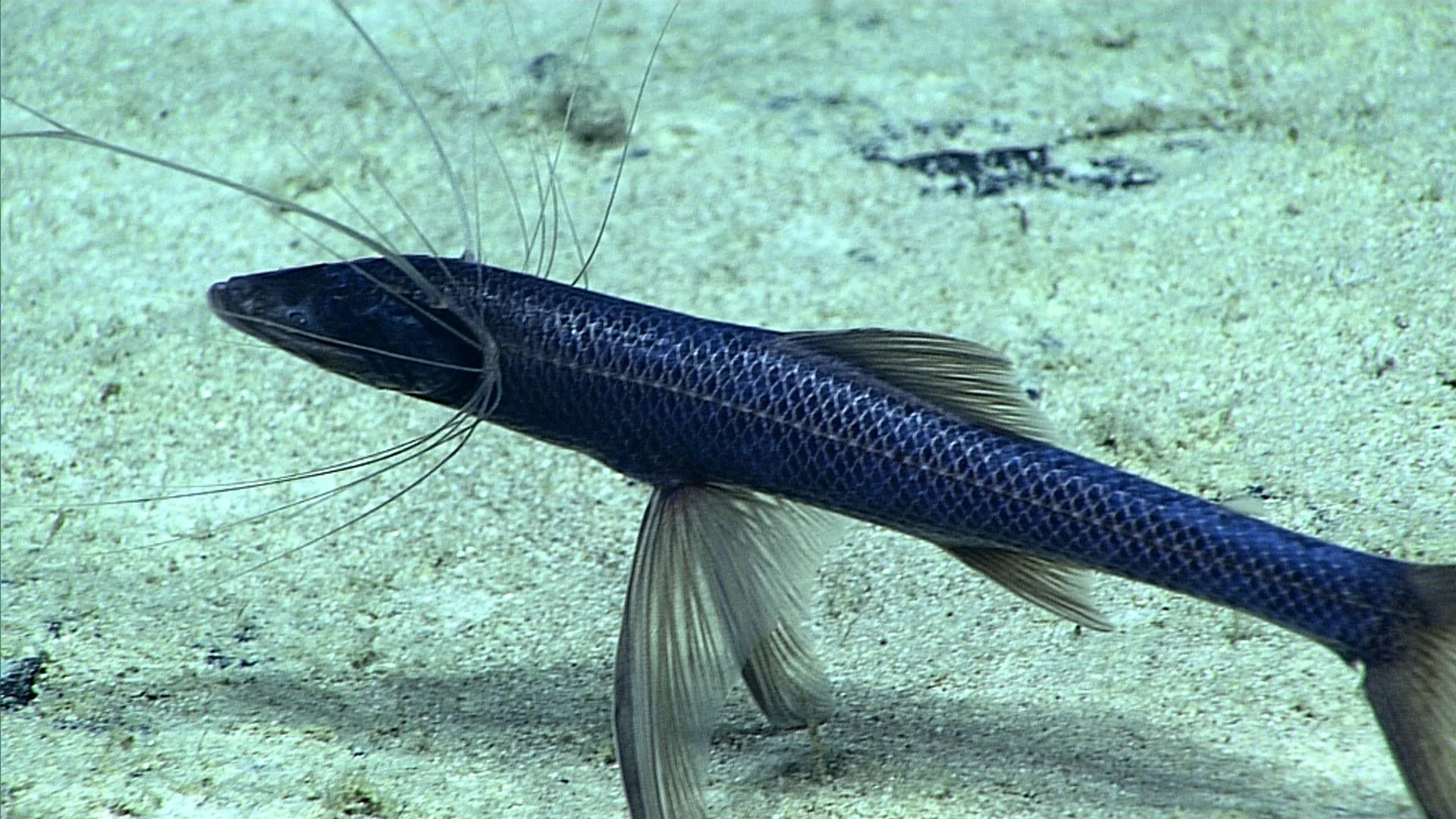
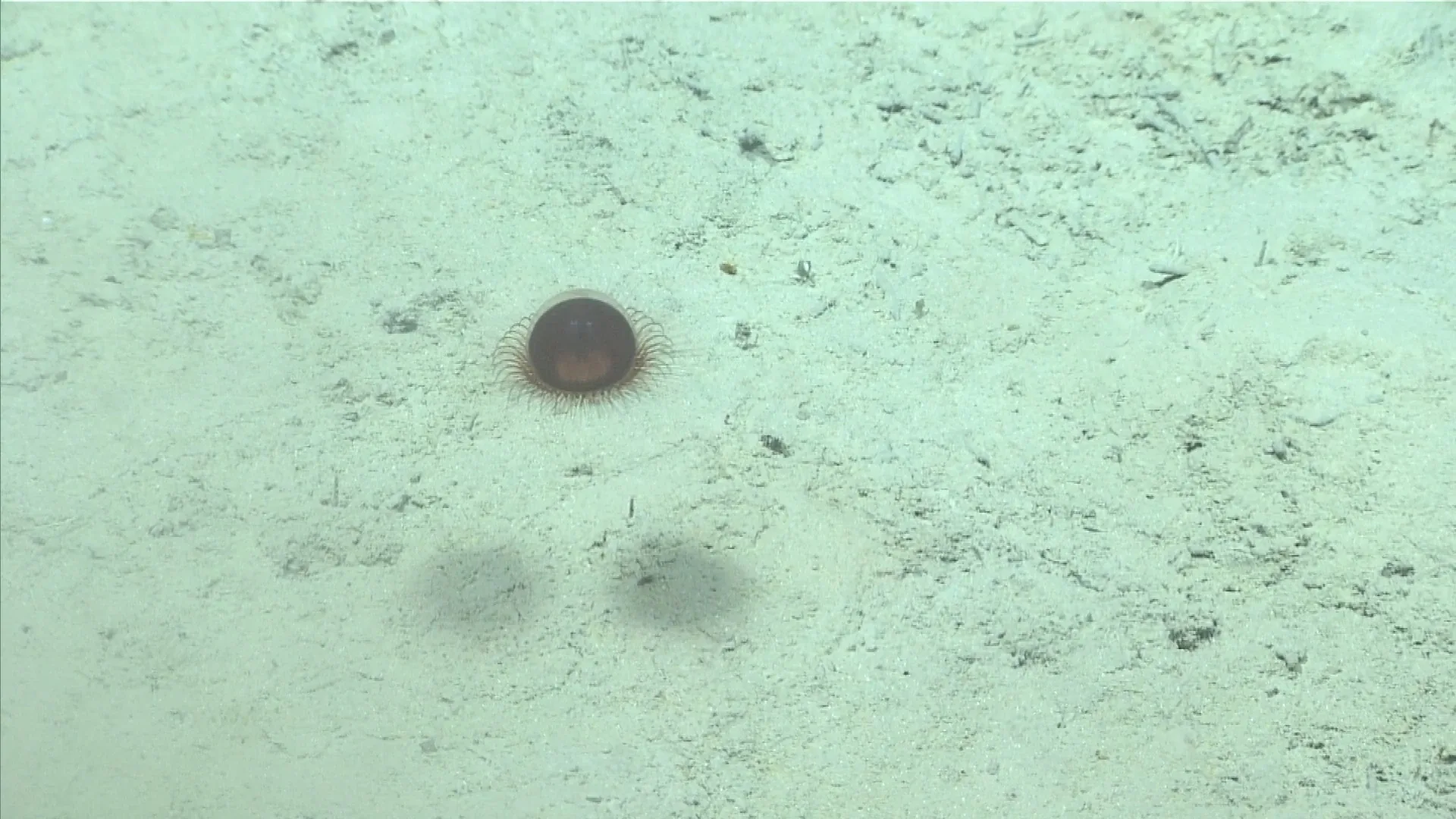
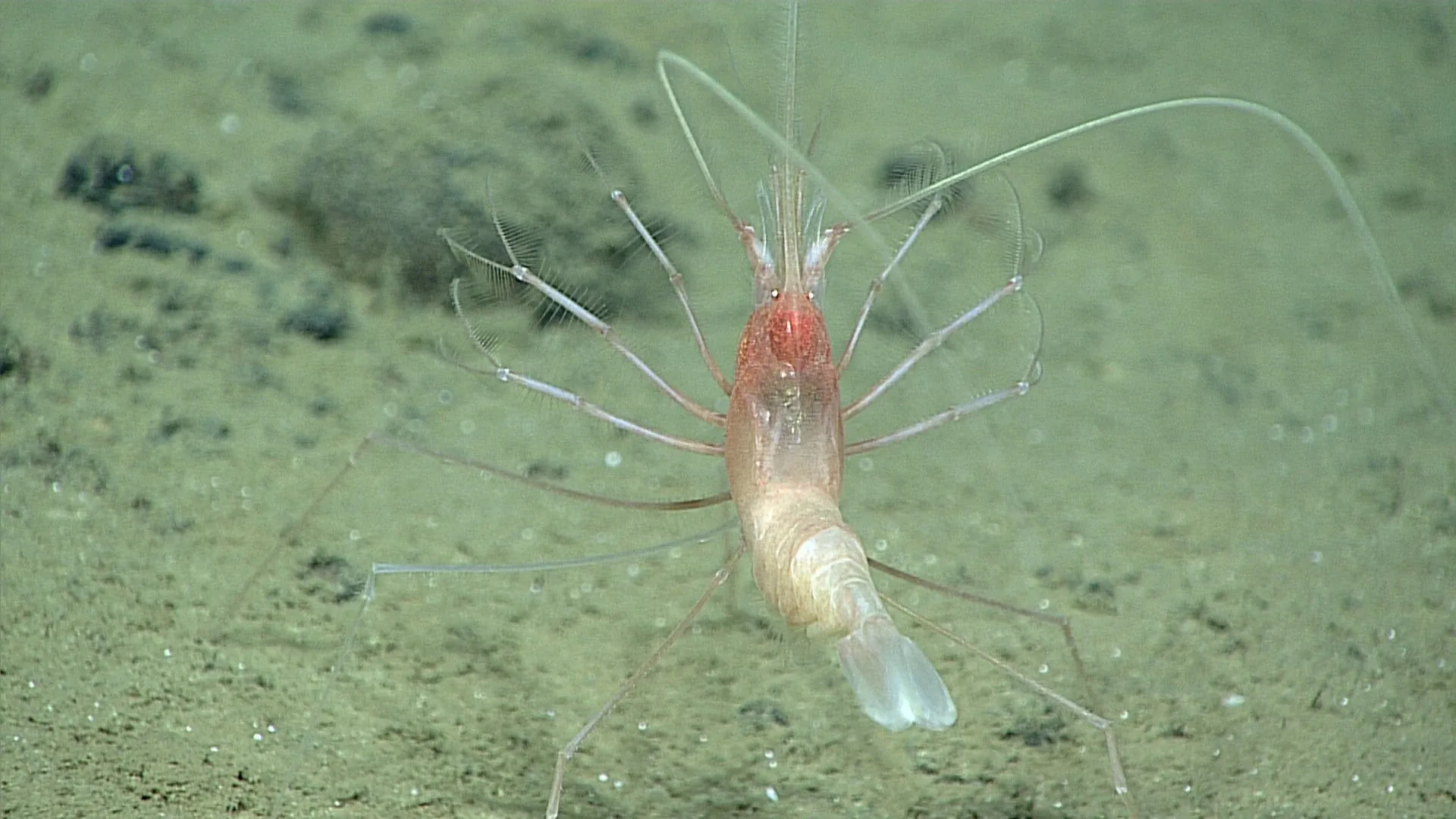
This is why an image and a specimen answer different questions. A camera can document the animal in its habitat but cannot reveal its internal TMAO concentration. A specimen can be analyzed in a laboratory but may have experienced decompression. A pressure chamber can test particular mechanisms, though it cannot recreate every ecological interaction. Strong explanations draw on several methods and state what each one measures.
Pressure tolerance must also be tested at an appropriate temperature. Comparing animals under different thermal conditions can mix two environmental effects, obscuring which measured change is associated with pressure itself.