Adaptations4 min read
Bioluminescence: One Blue Signal, Many Different Jobs
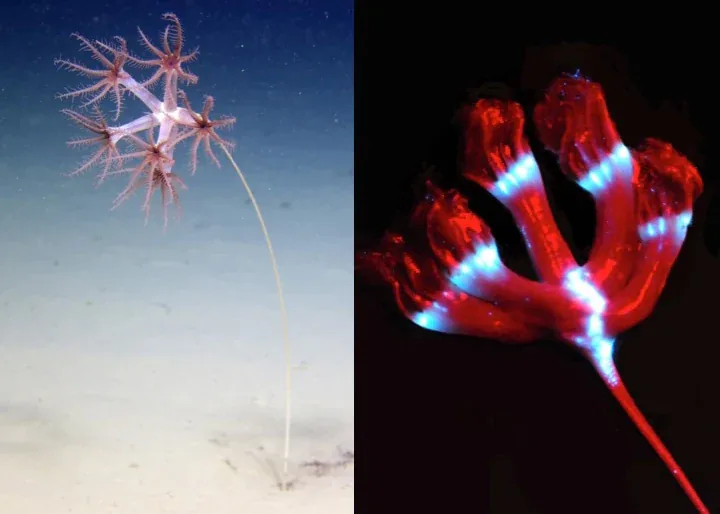
Deep-sea light can help an animal lure, conceal, startle, or communicate. A glow is an observation; its function needs separate evidence.

Deep-sea light can help an animal lure, conceal, startle, or communicate. A glow is an observation; its function needs separate evidence.
Deep-sea light can help an animal lure, conceal, startle, or communicate. A glow is an observation; its function needs separate evidence.
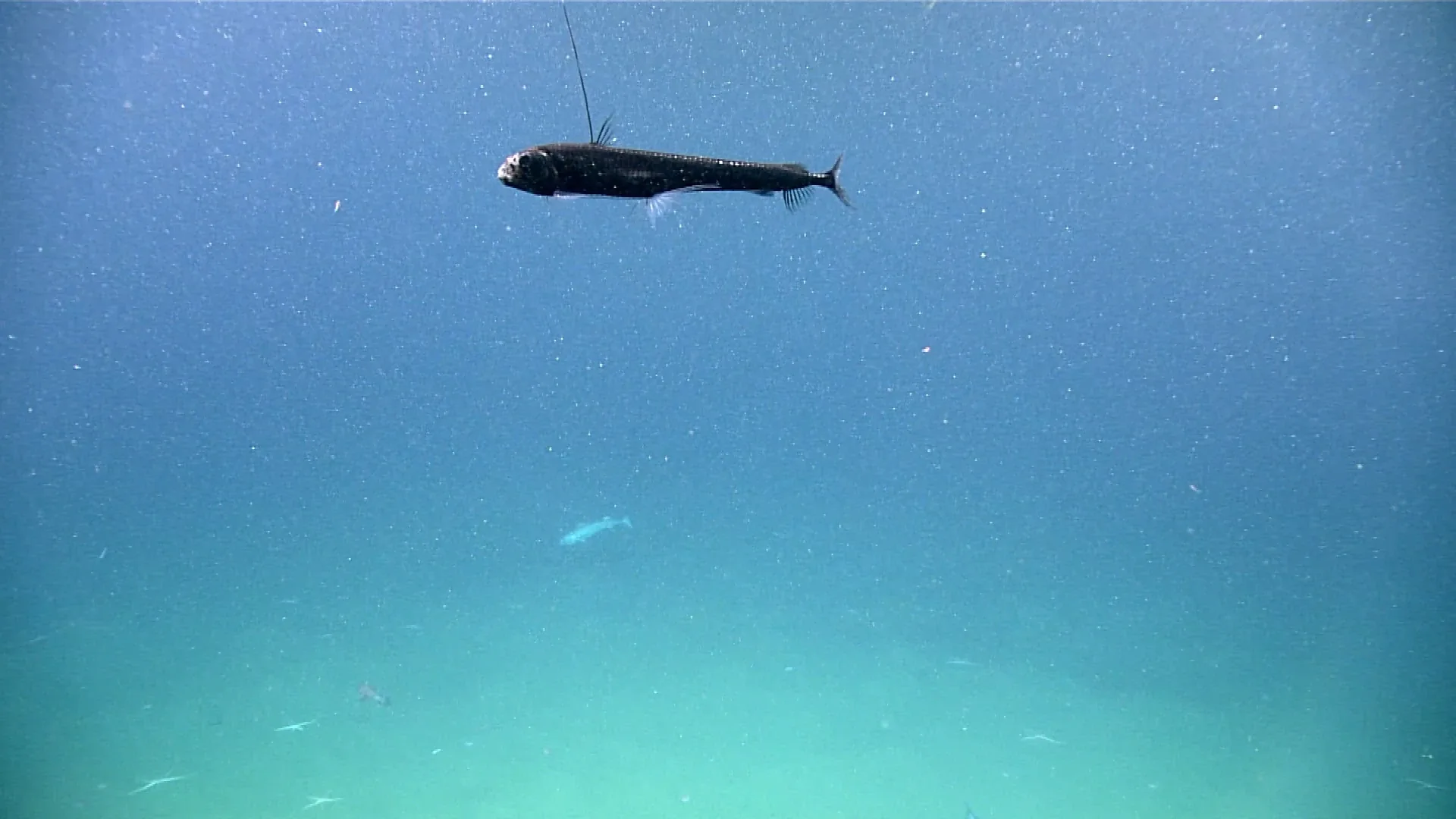
Big eyes, light-sensitive pigments, and responses to bioluminescence solve different visual problems. The limits of each solution are as important as its advantages.
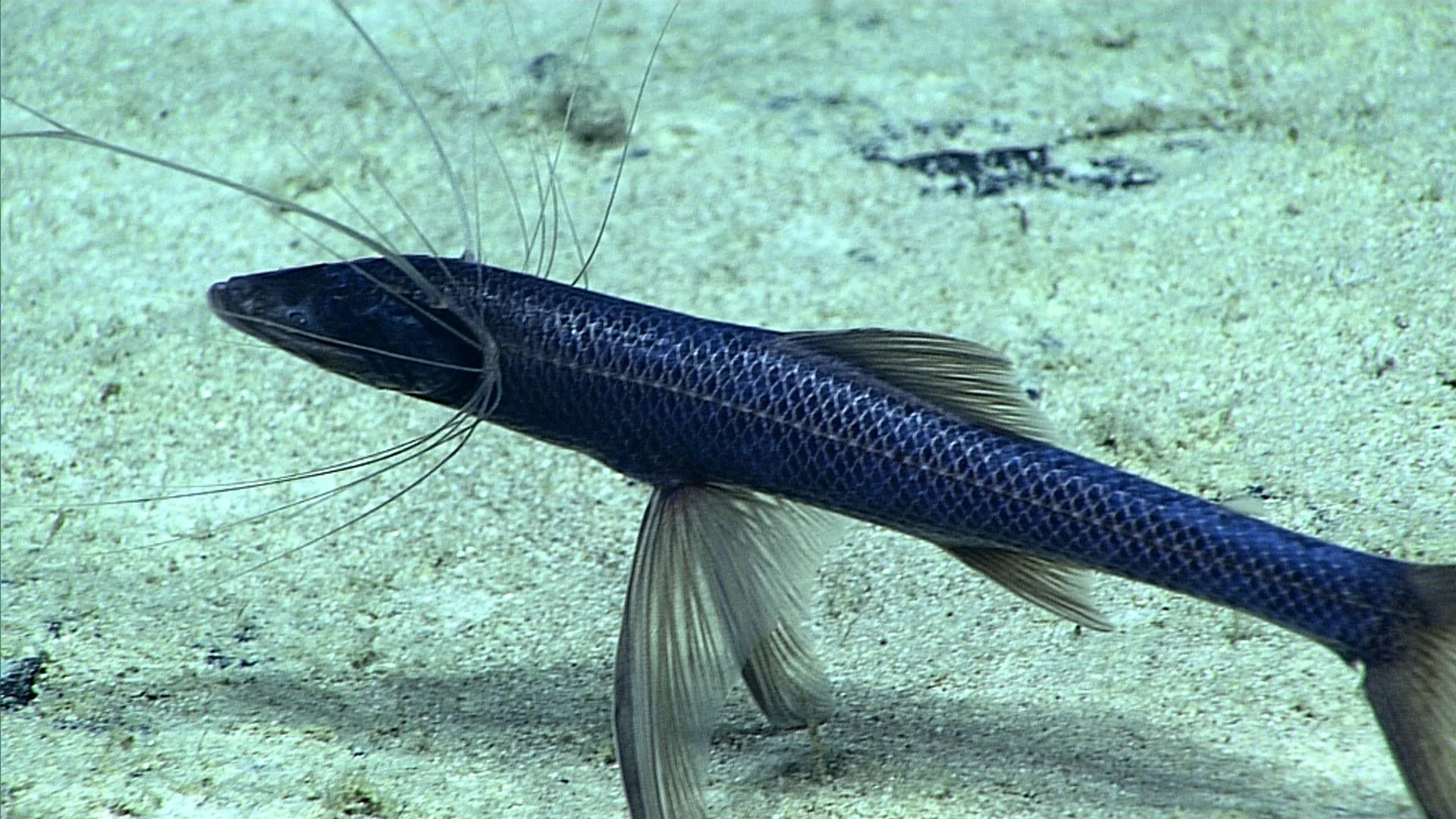
Water pressure rises steadily with depth, but living cells continue to work. Membranes, proteins, and body composition help explain the biological challenge.
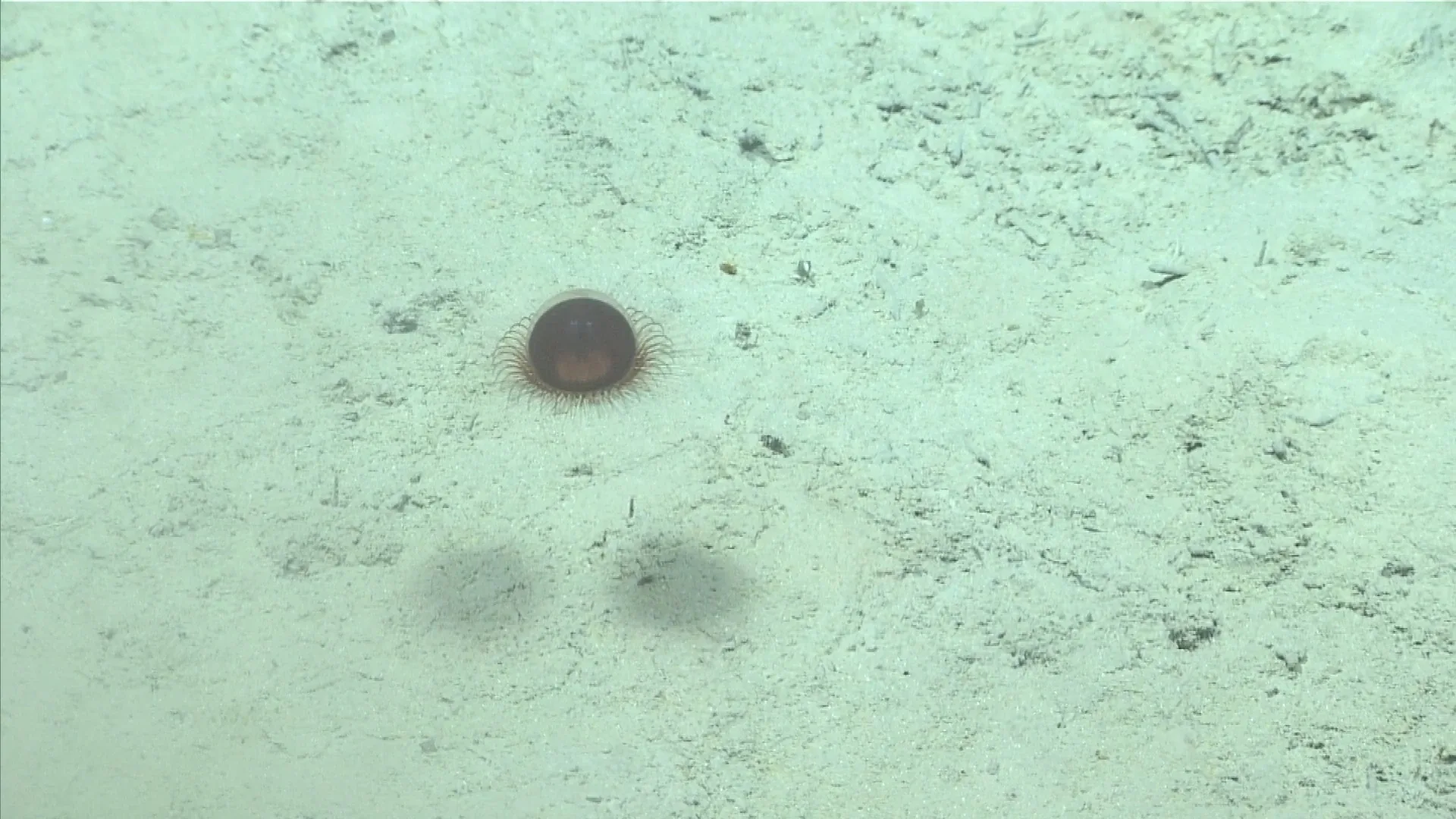
A jelly-like body can reduce structural costs and change how an animal moves. It is not a universal deep-sea adaptation, and it does not make an animal fragile by default.
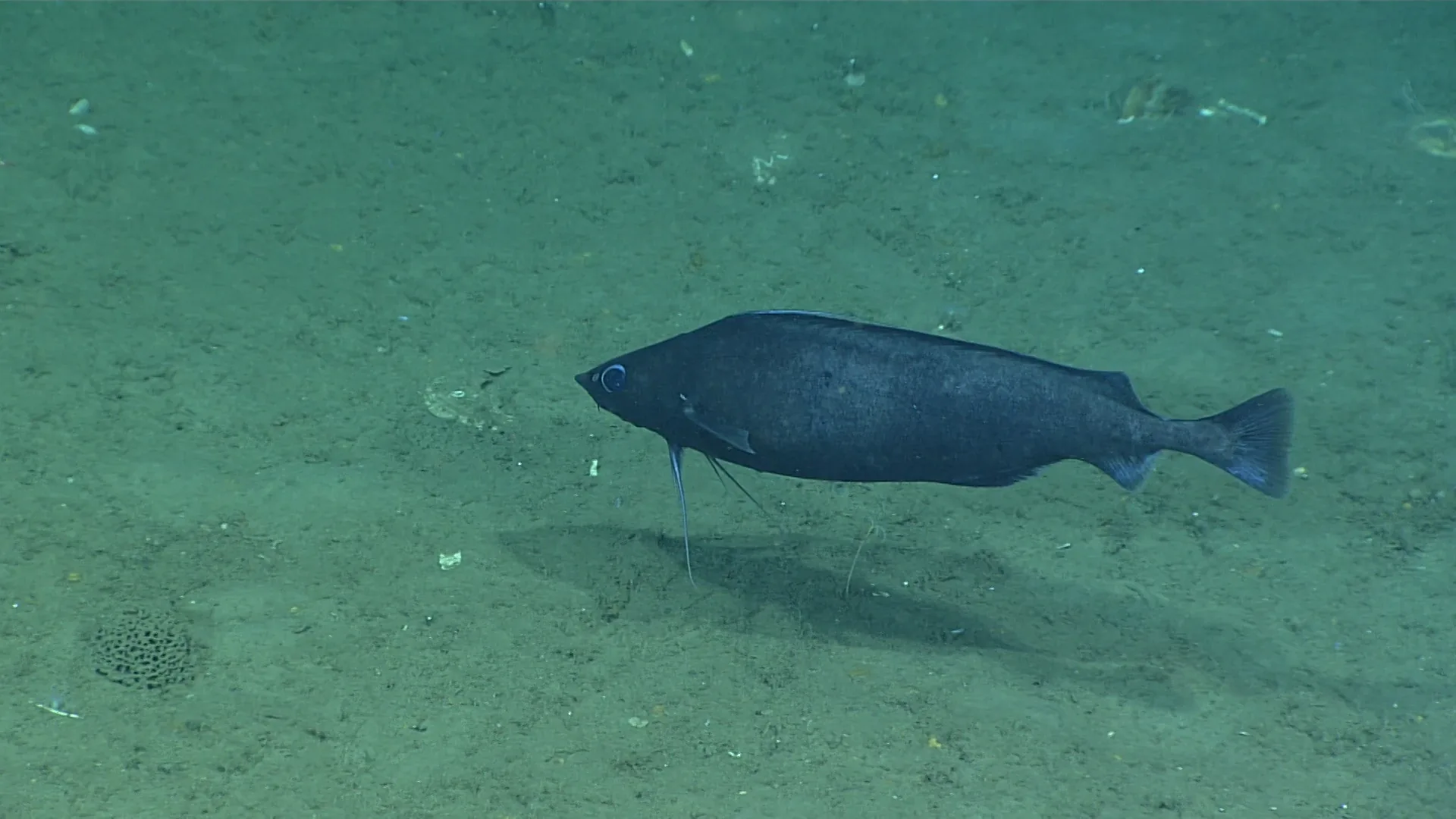
Many deep habitats receive less food than surface waters, but supply varies by place and season. Animals use different ways to cope with that uneven budget.
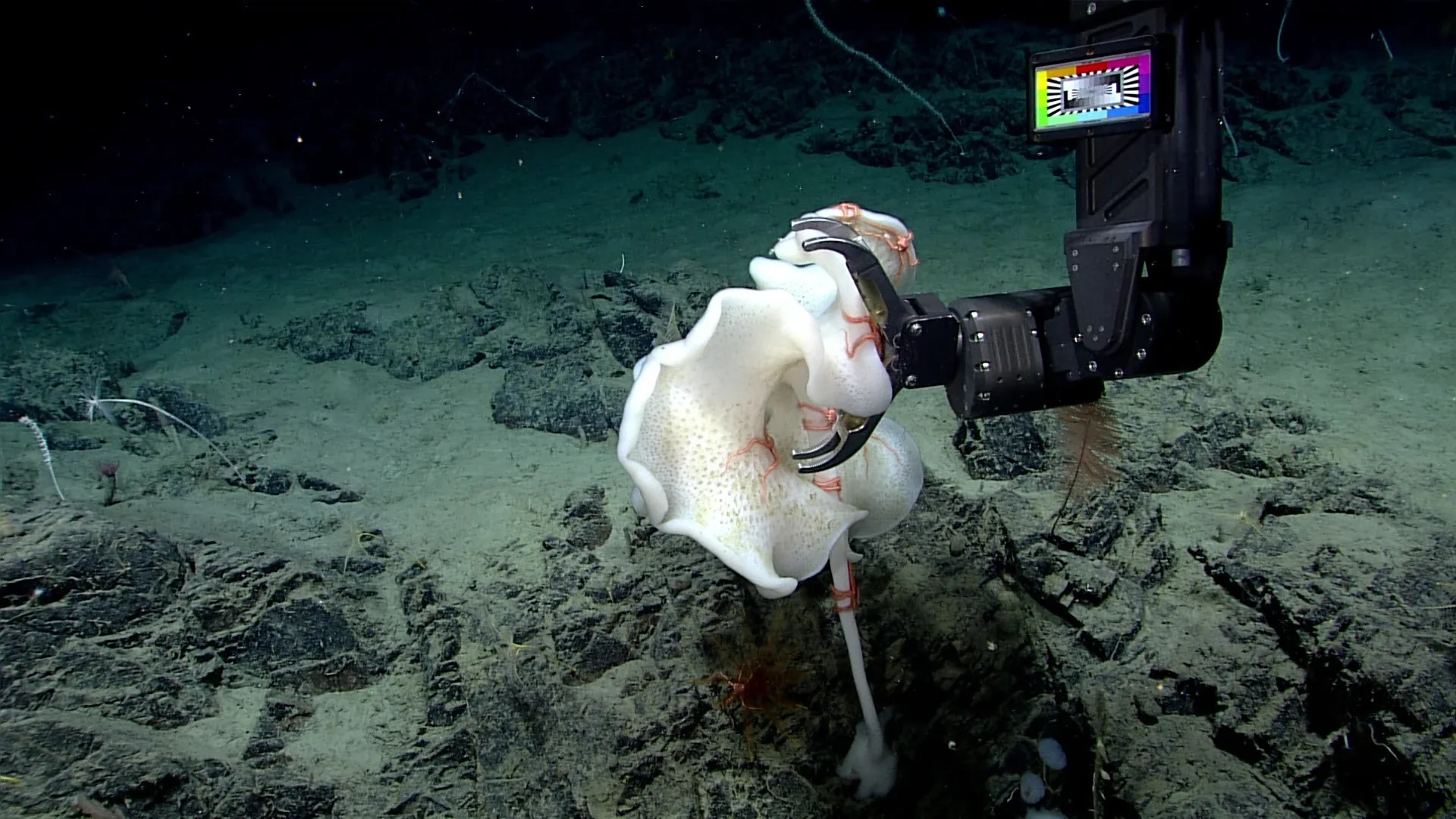
At vents and seeps, some animals rely on microbial partners that turn chemical energy into organic matter. The host–microbe relationship is specific, not a generic deep-sea trait.
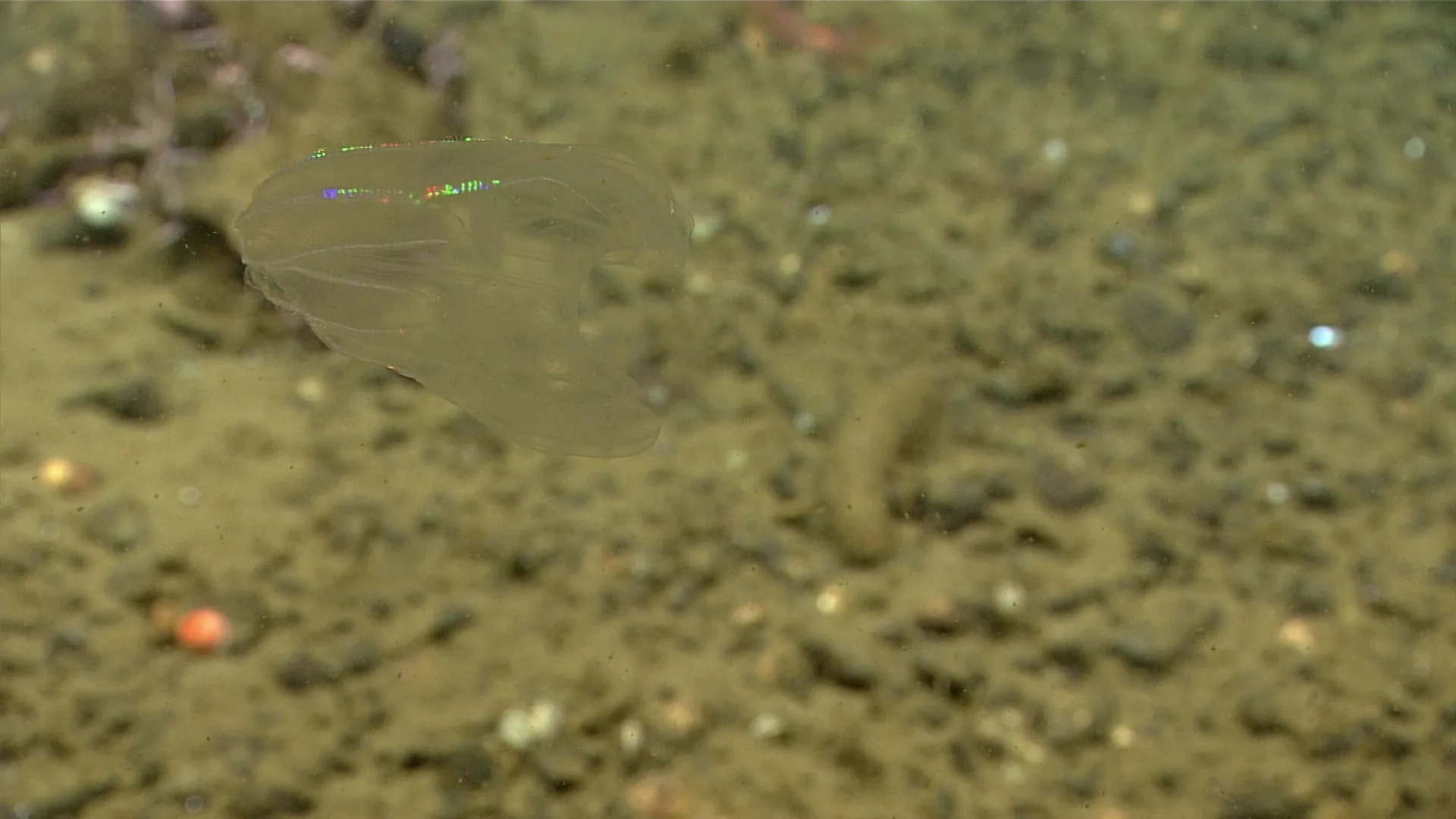
Each day, many midwater organisms shift between depths. Sonar reveals a moving layer, while camera observations show only a small part of the community.
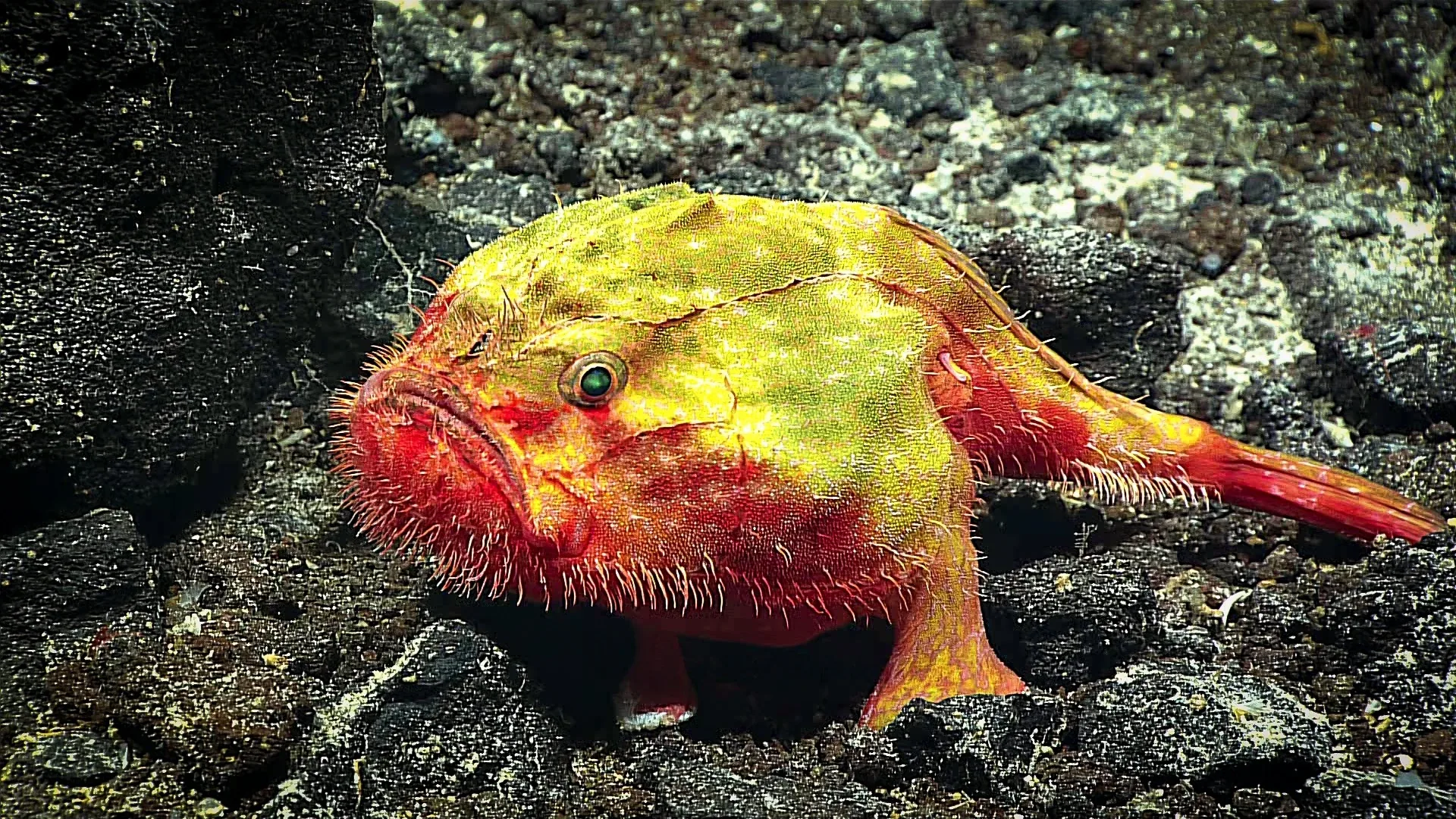
In the dim midwater, transparency, dark pigment, and counterillumination can each reduce visibility under different lighting conditions.