Expedition methods4 min read
What an ROV Image Records—and What It Leaves Out
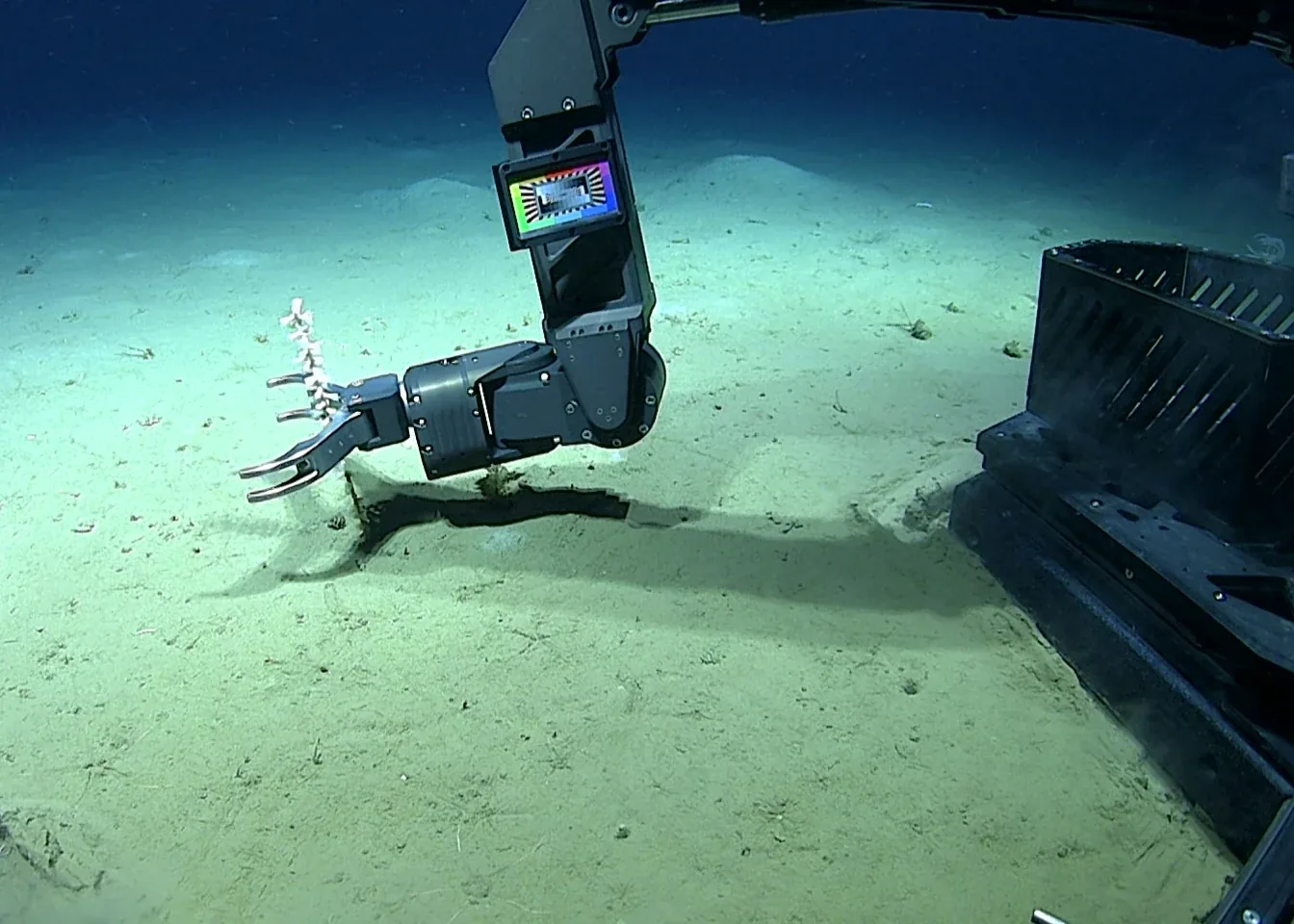
A camera dive preserves a view, a timestamp, a depth, and a location. It does not automatically reveal abundance, behavior, or how common an animal is.

A camera dive preserves a view, a timestamp, a depth, and a location. It does not automatically reveal abundance, behavior, or how common an animal is.
A camera dive preserves a view, a timestamp, a depth, and a location. It does not automatically reveal abundance, behavior, or how common an animal is.
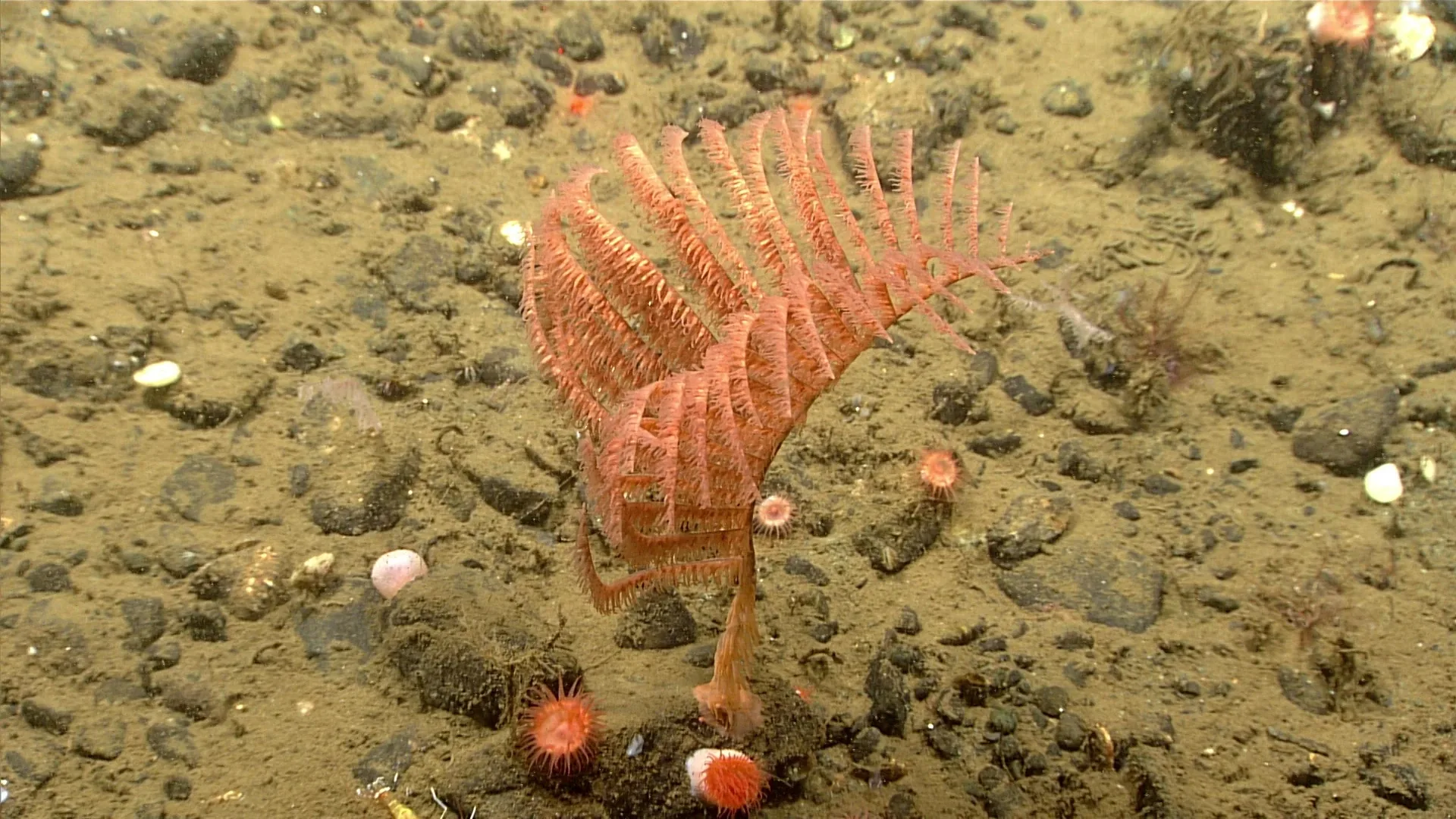
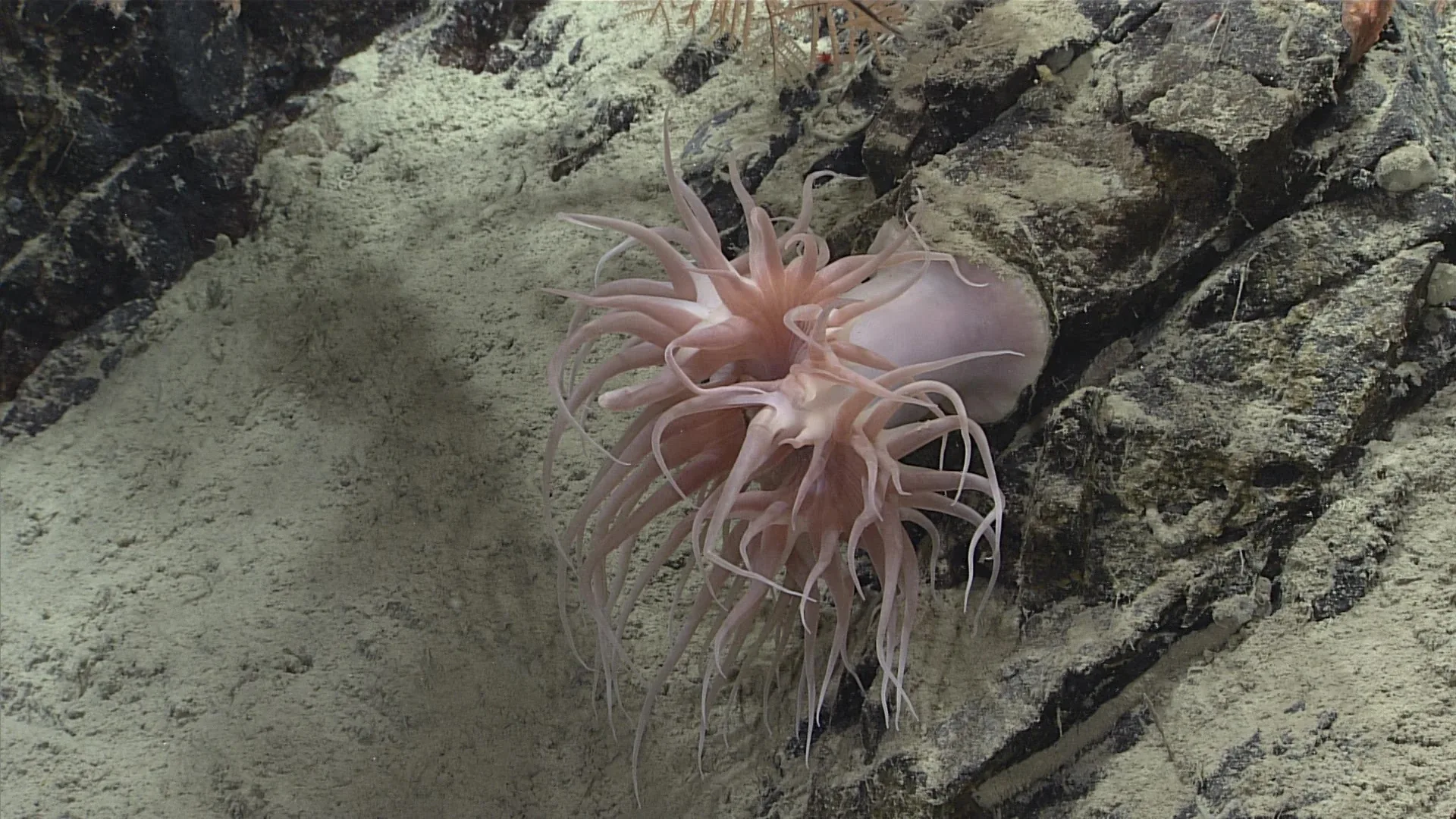
Experts can identify many animals from video, but not all images resolve a species. Confidence levels and revision history belong in the story.
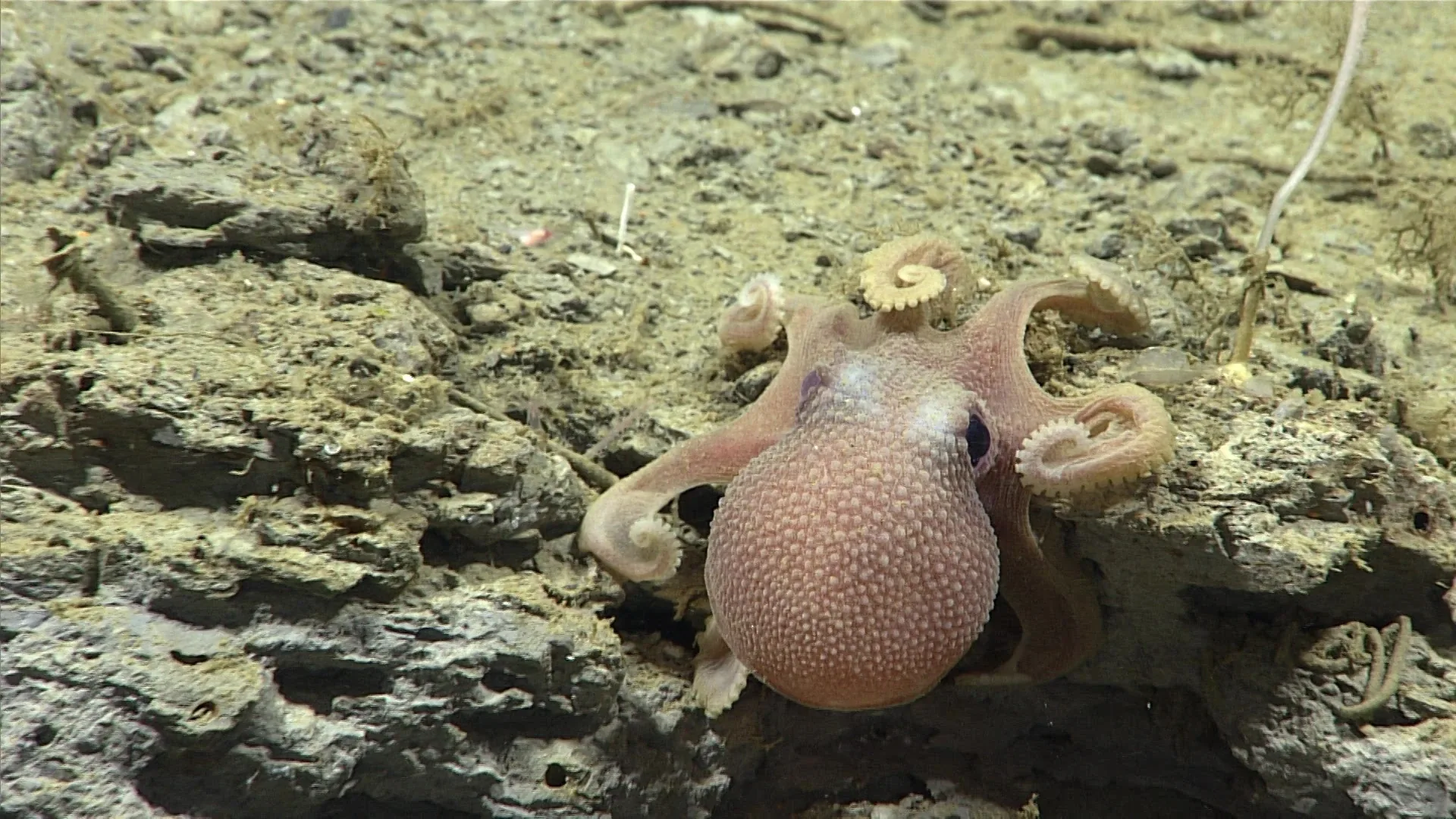
One ROV encounter can confirm that an animal was present at a place and time. It cannot by itself establish population size, rarity, or absence elsewhere.
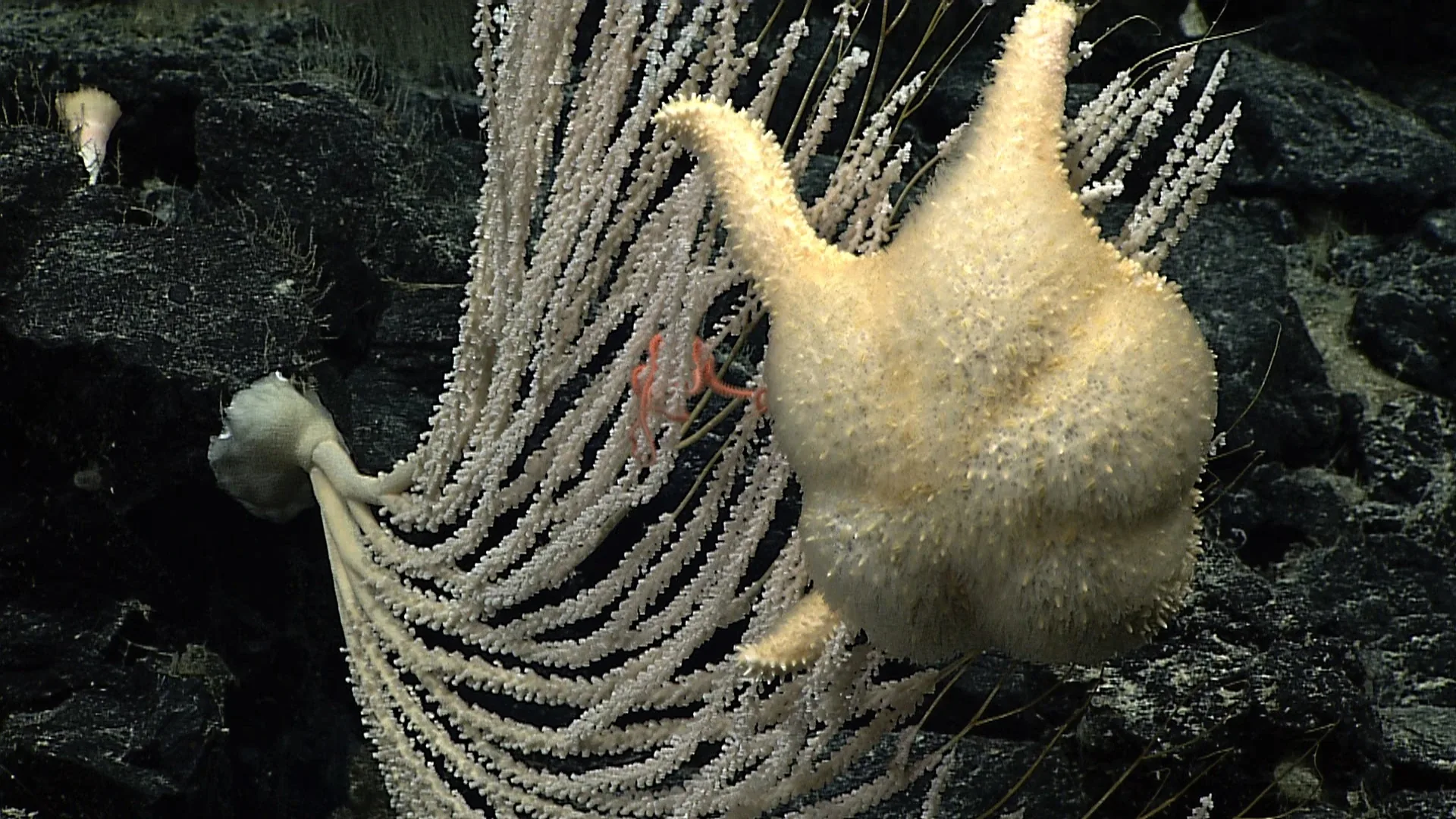
Mapped tracks and broad bathymetry do not mean continuous biological knowledge. Sampling is shaped by navigation, weather, equipment, and mission priorities.
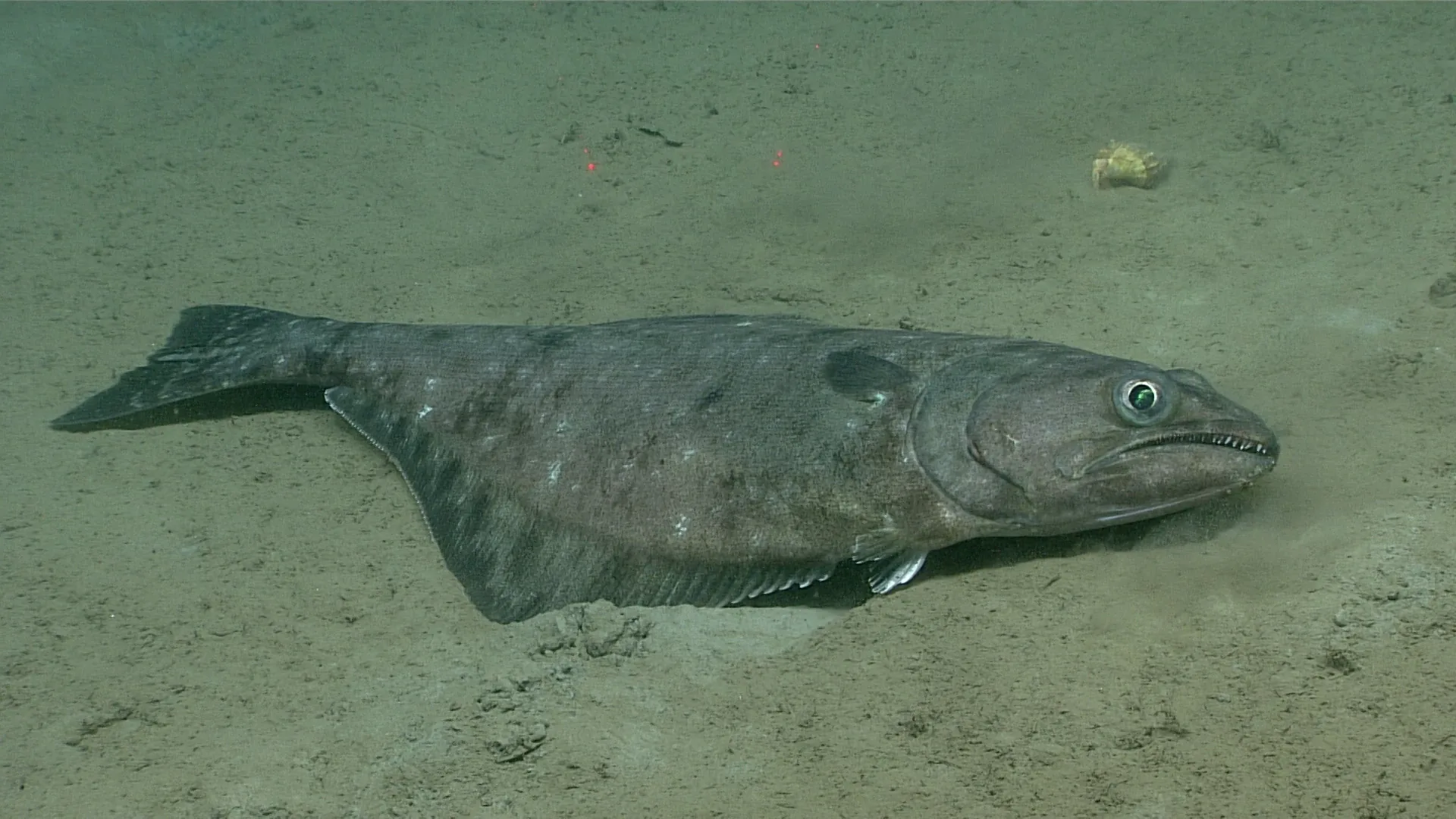
DNA in water and sediment can detect traces of organisms without a camera encounter. It is powerful survey evidence, but it has its own limits and controls.
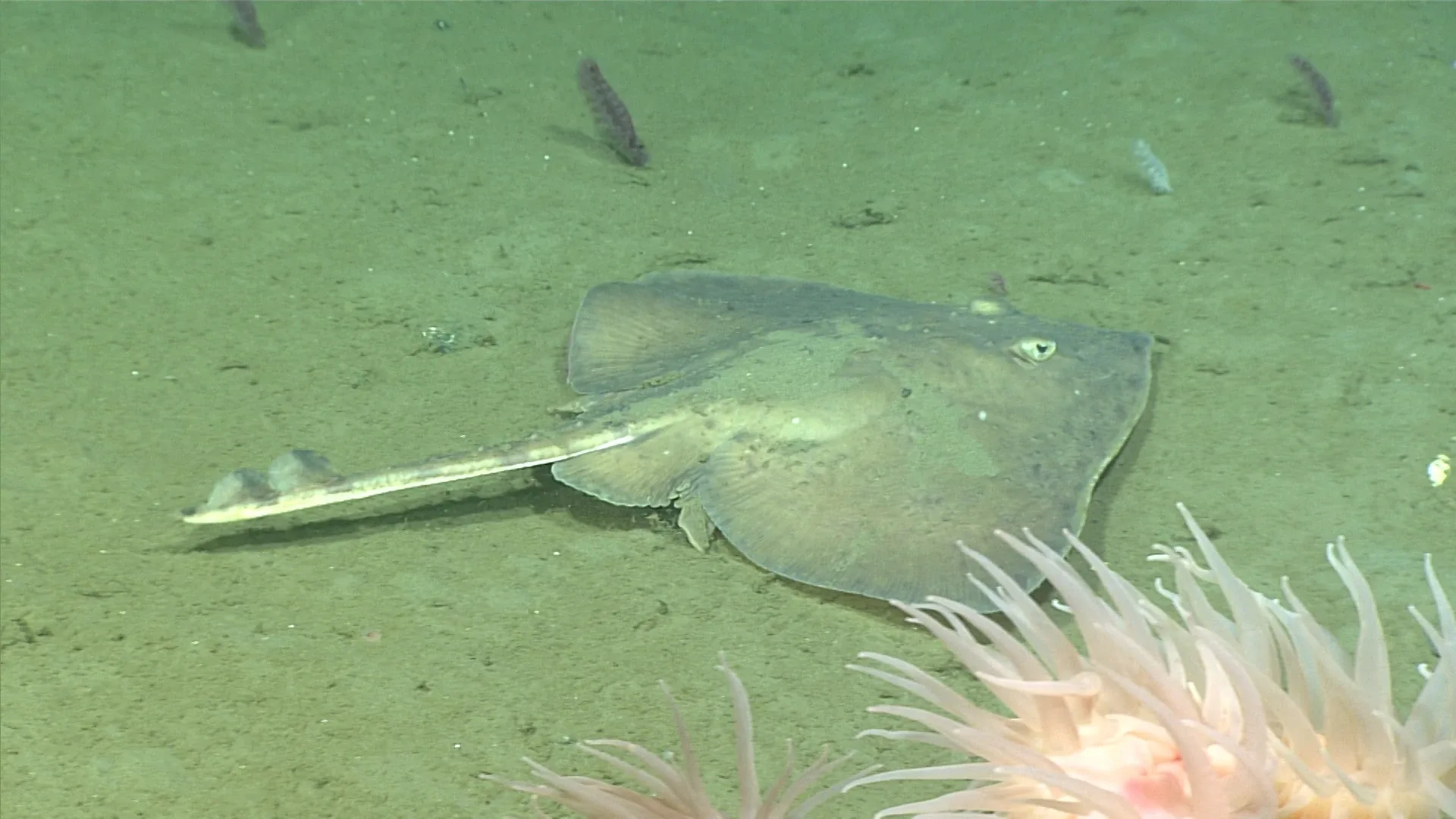
A photograph becomes more useful when taxon, depth, time, location, and expedition context travel with it. Provenance also makes corrections possible.