Habitats4 min read
The Abyssal Plain Is a Habitat, Not an Empty Map
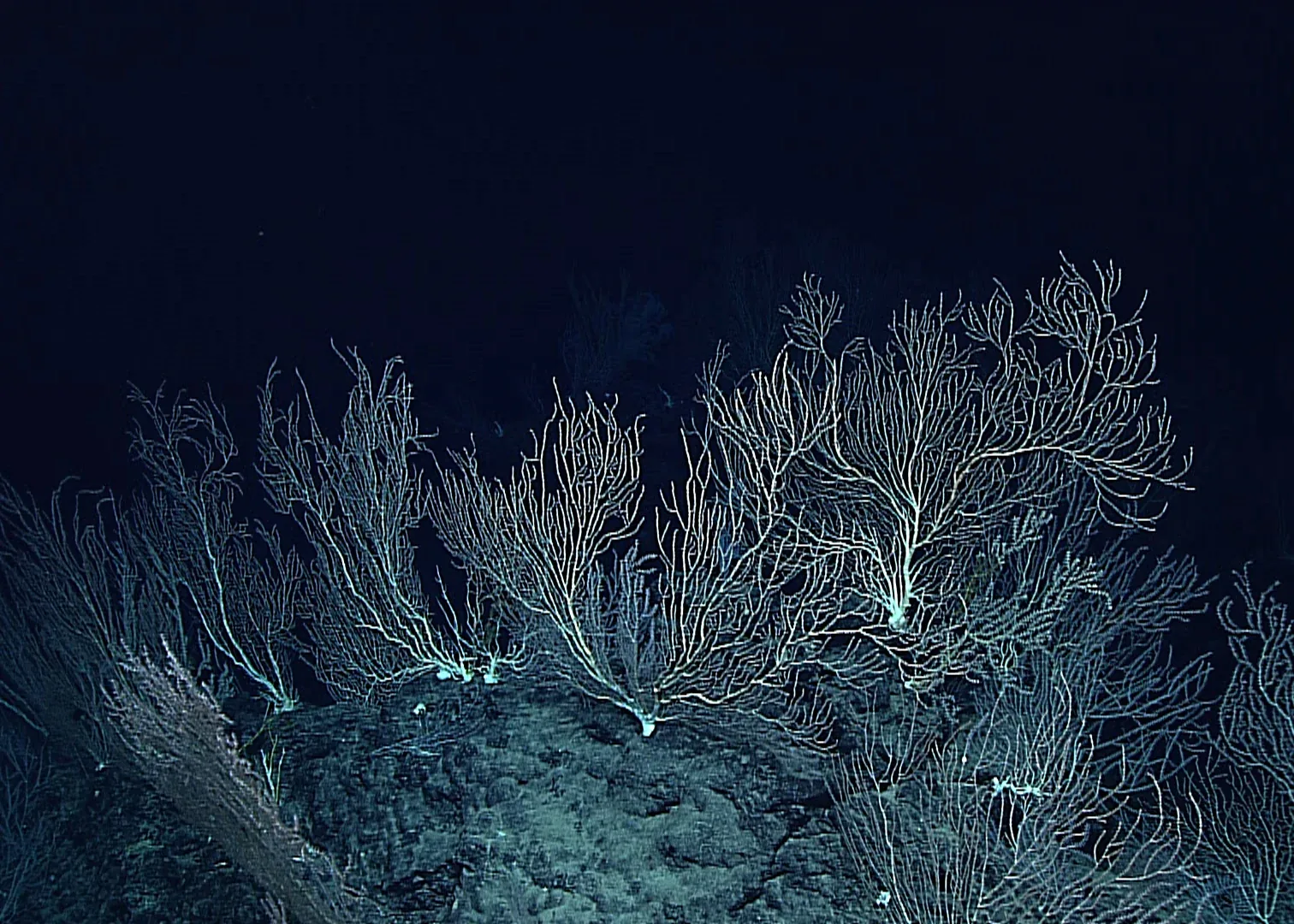
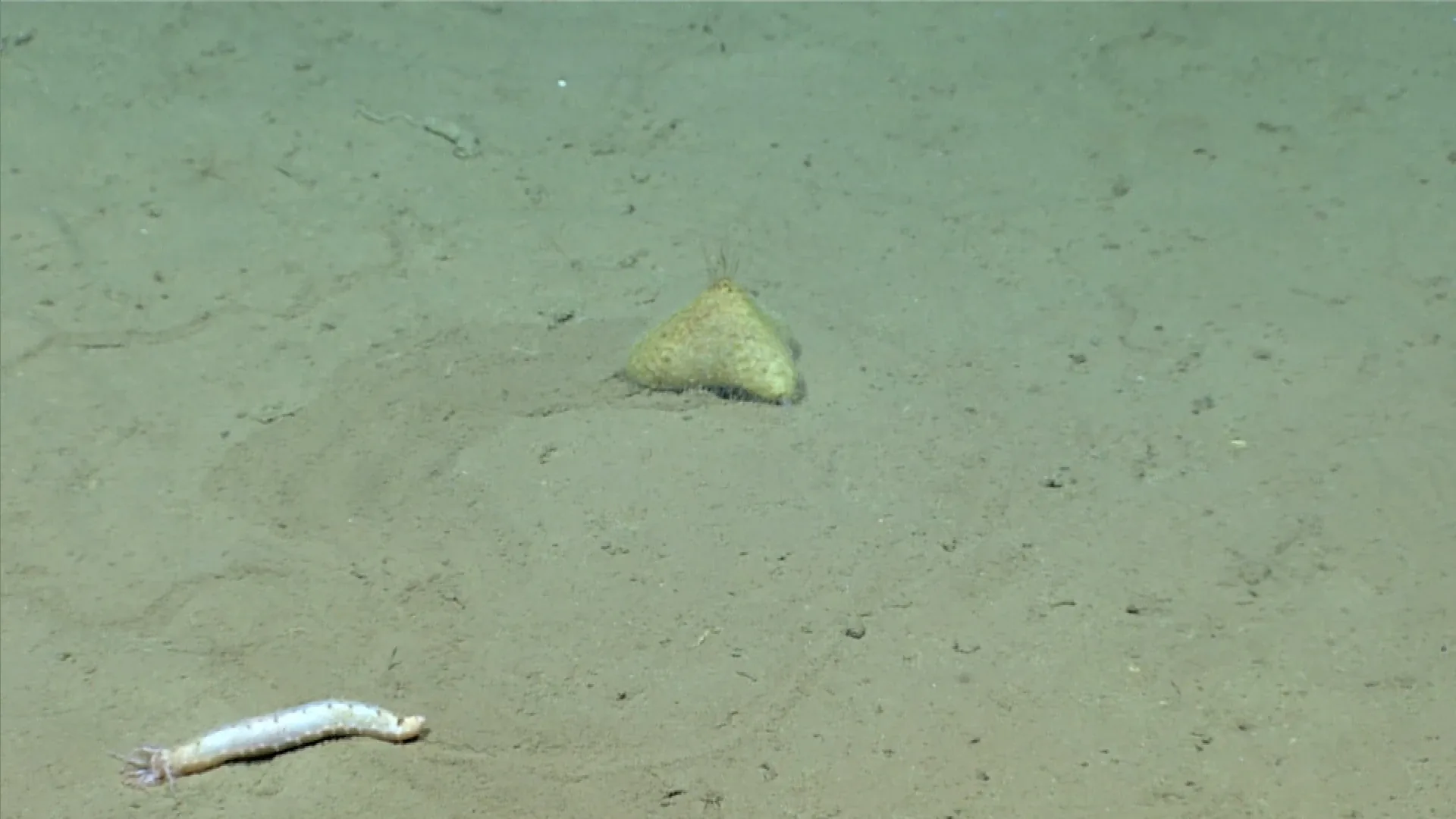
Flatness is a geological description, not a verdict on life. Sediment, marine snow, burrows, and scattered food falls create a varied seafloor.

Flatness is a geological description, not a verdict on life. Sediment, marine snow, burrows, and scattered food falls create a varied seafloor.
Flatness is a geological description, not a verdict on life. Sediment, marine snow, burrows, and scattered food falls create a varied seafloor.
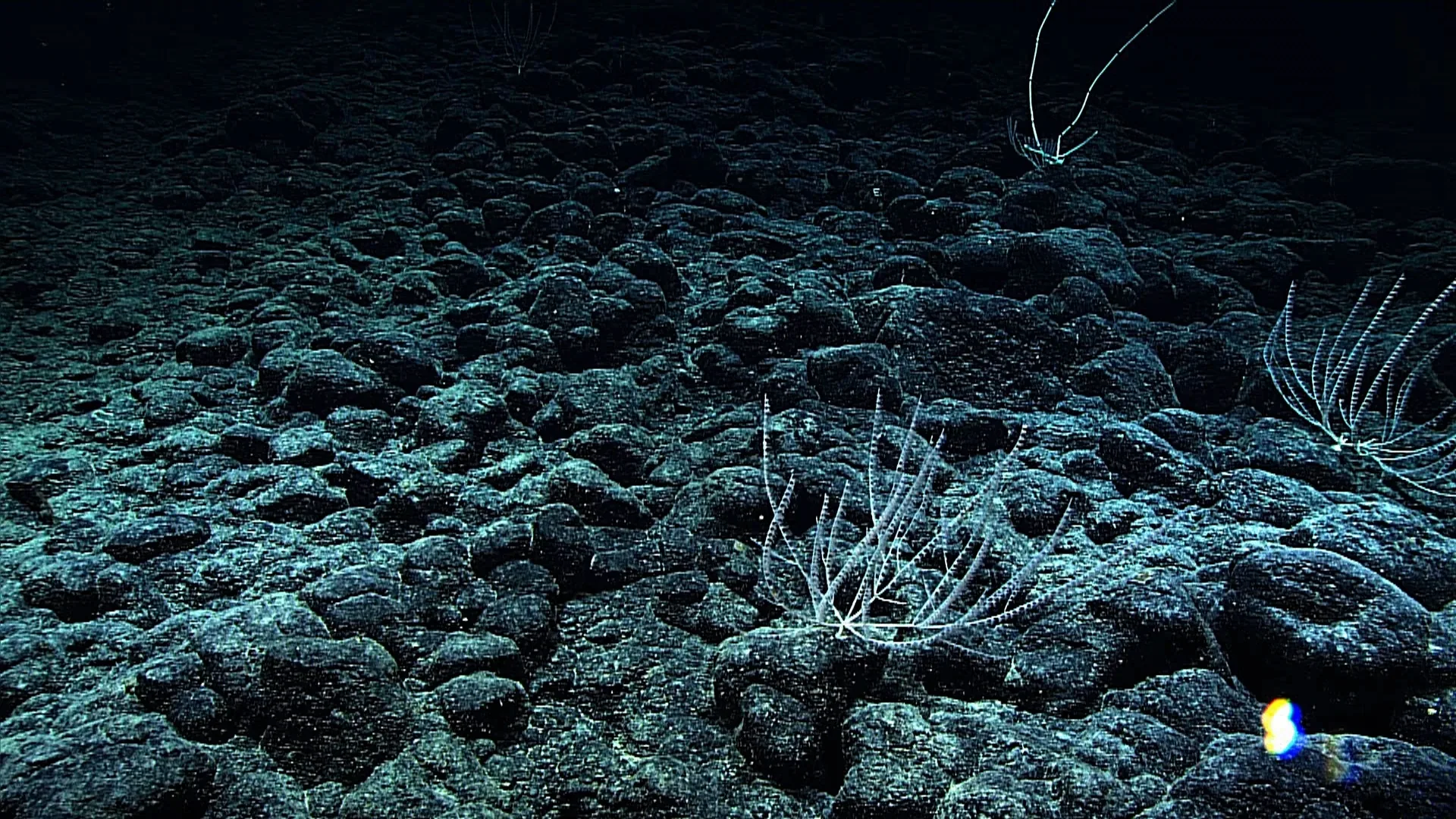
An underwater mountain redirects flow and can concentrate habitats. A coral observed on a named seamount helps ground the discussion in a real place.
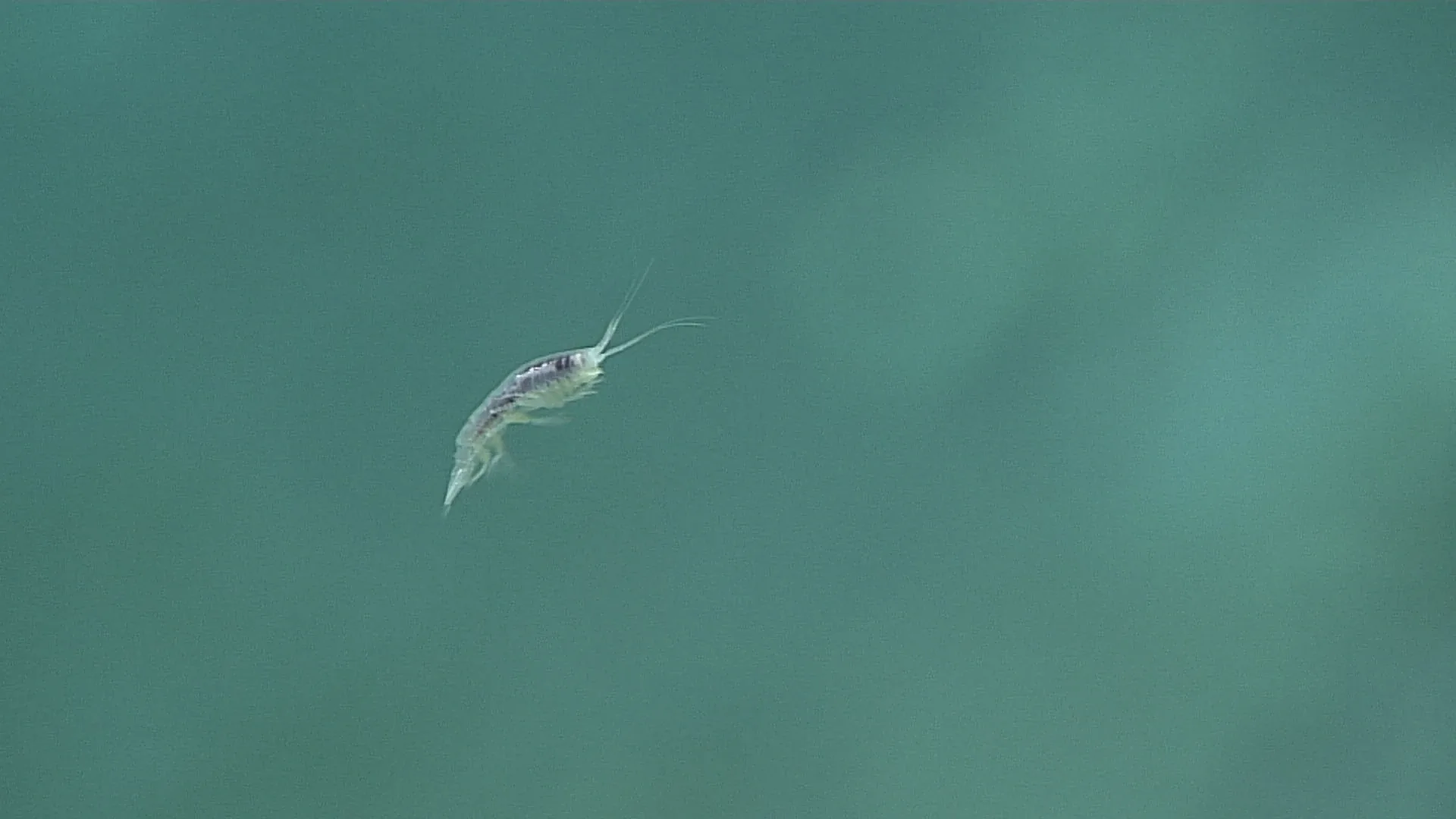
The deepest record in this guide sits just above the commonly used 6,000-meter start of the hadal zone. That small difference matters when we name habitats.
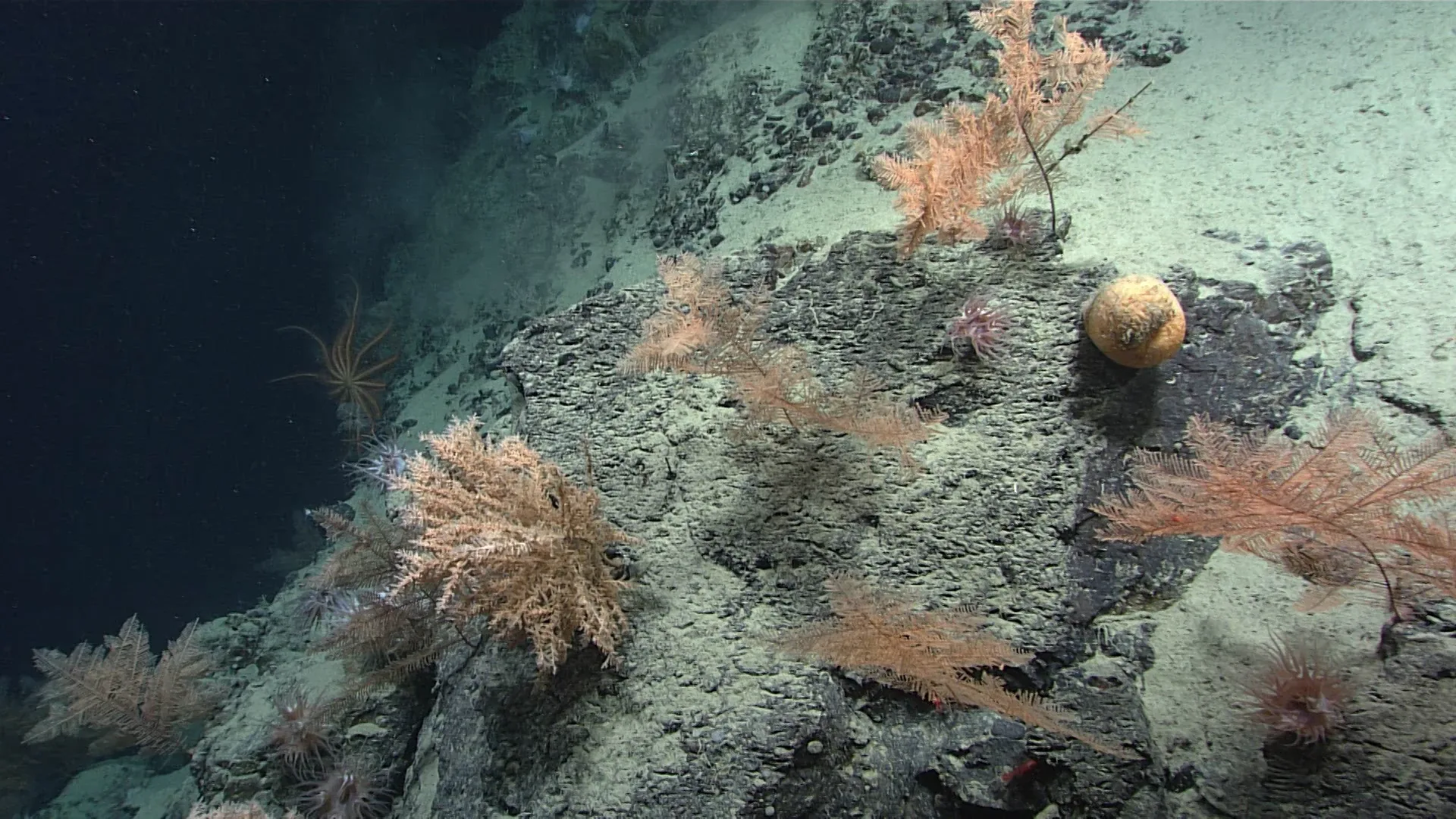
Canyons connect shelves to deep water and can focus sediment and organic matter. Their walls also hold corals and animals that a map alone will not reveal.
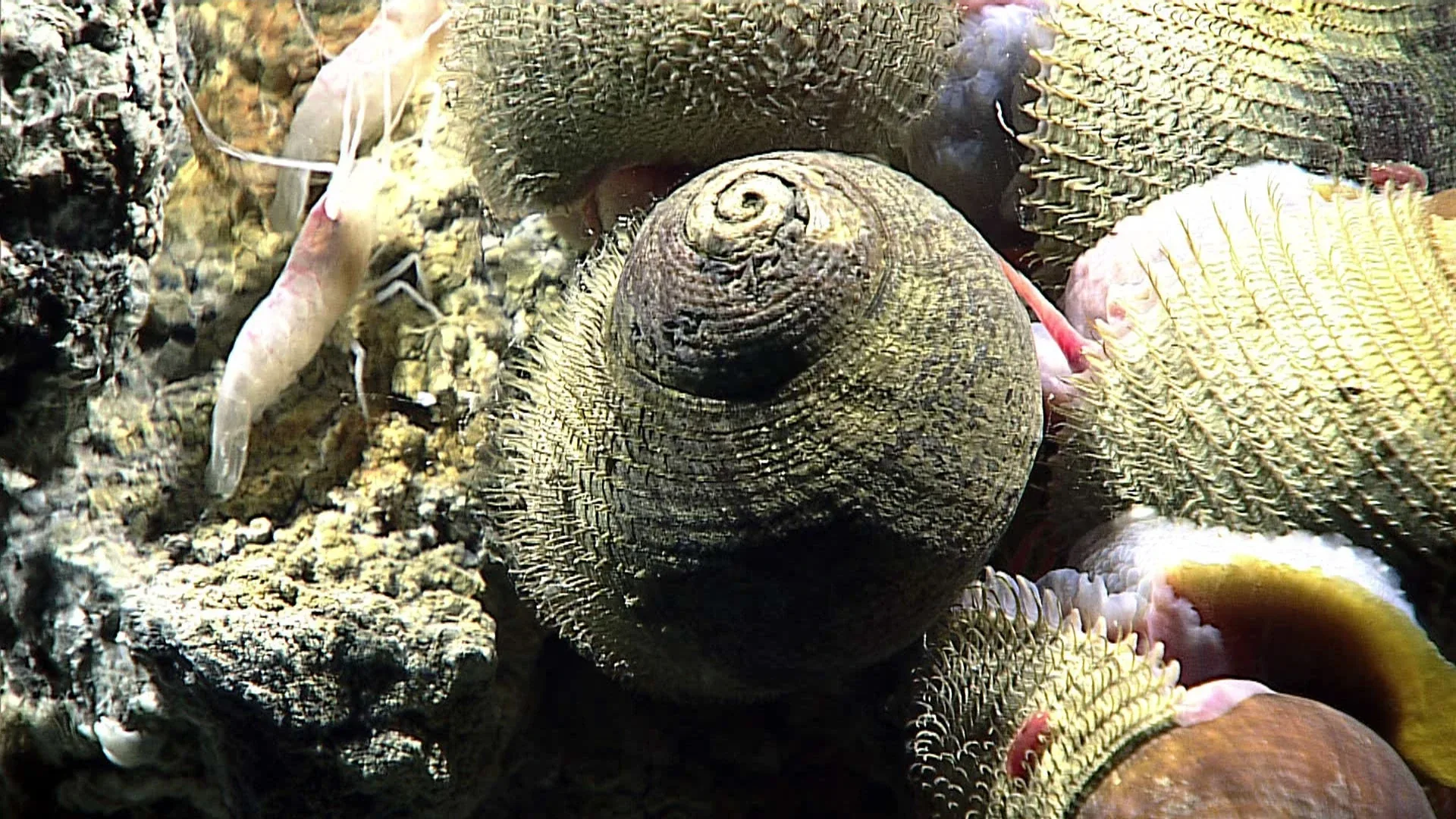
Vents are geologic features and biological neighborhoods at once. The animals clustered there depend on chemical energy, but the fields are not all alike.
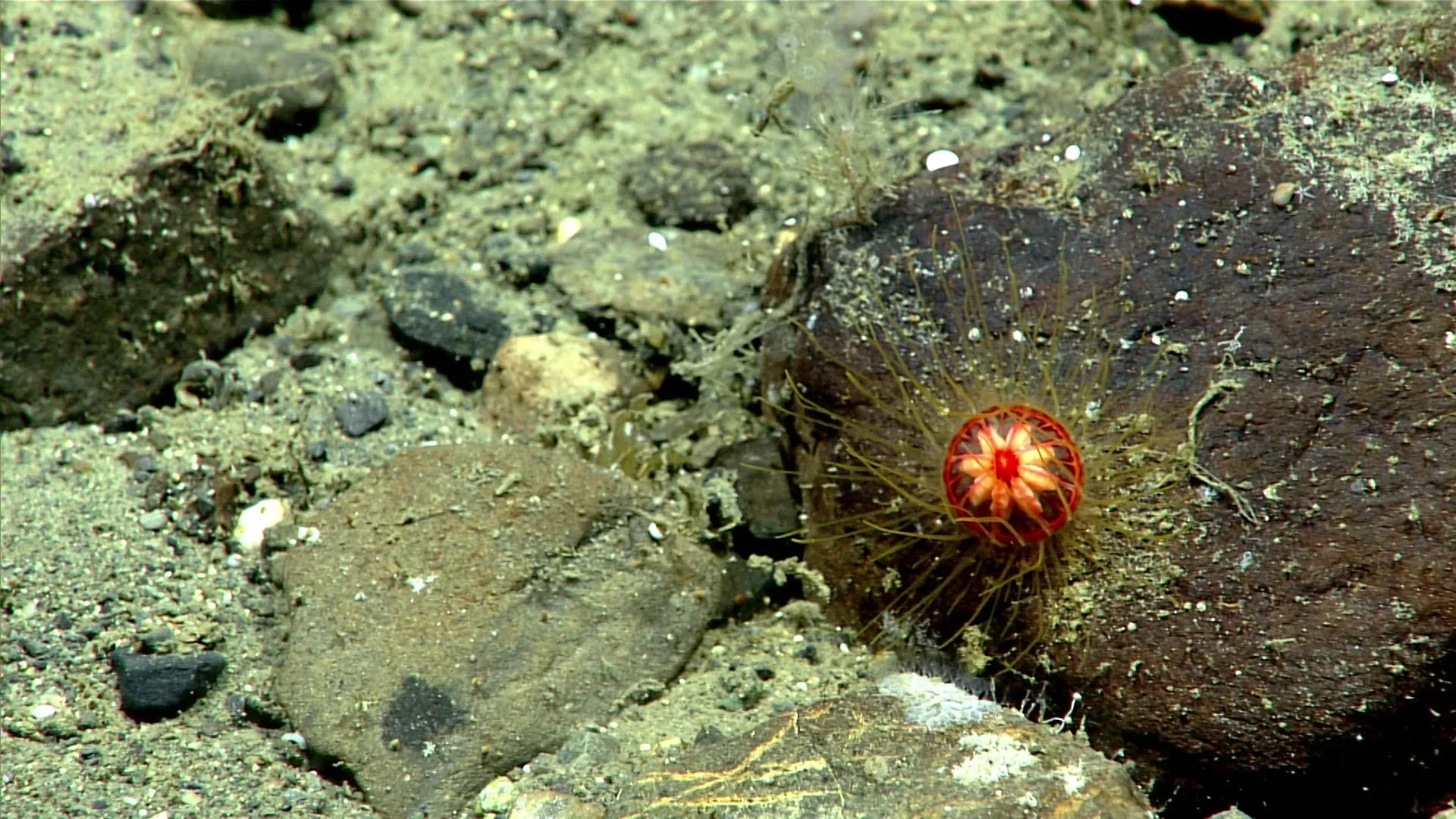
At a seep, chemical-rich fluids emerge near ambient temperature. The resulting communities can persist much longer than many hydrothermal vent assemblages.
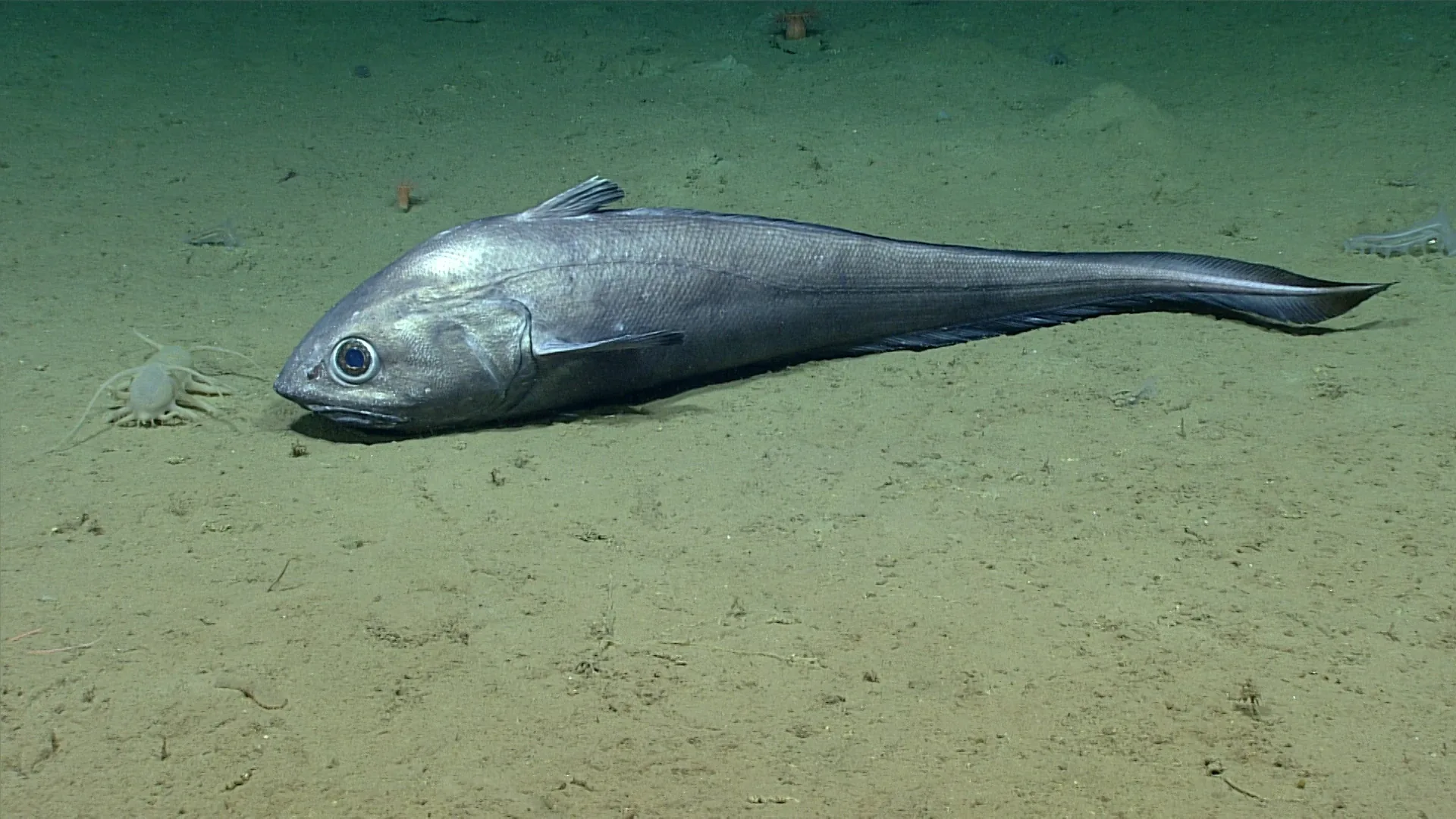
A carcass reaching the seafloor can support different communities over time. The sequence is a story of succession, not a single feeding frenzy.
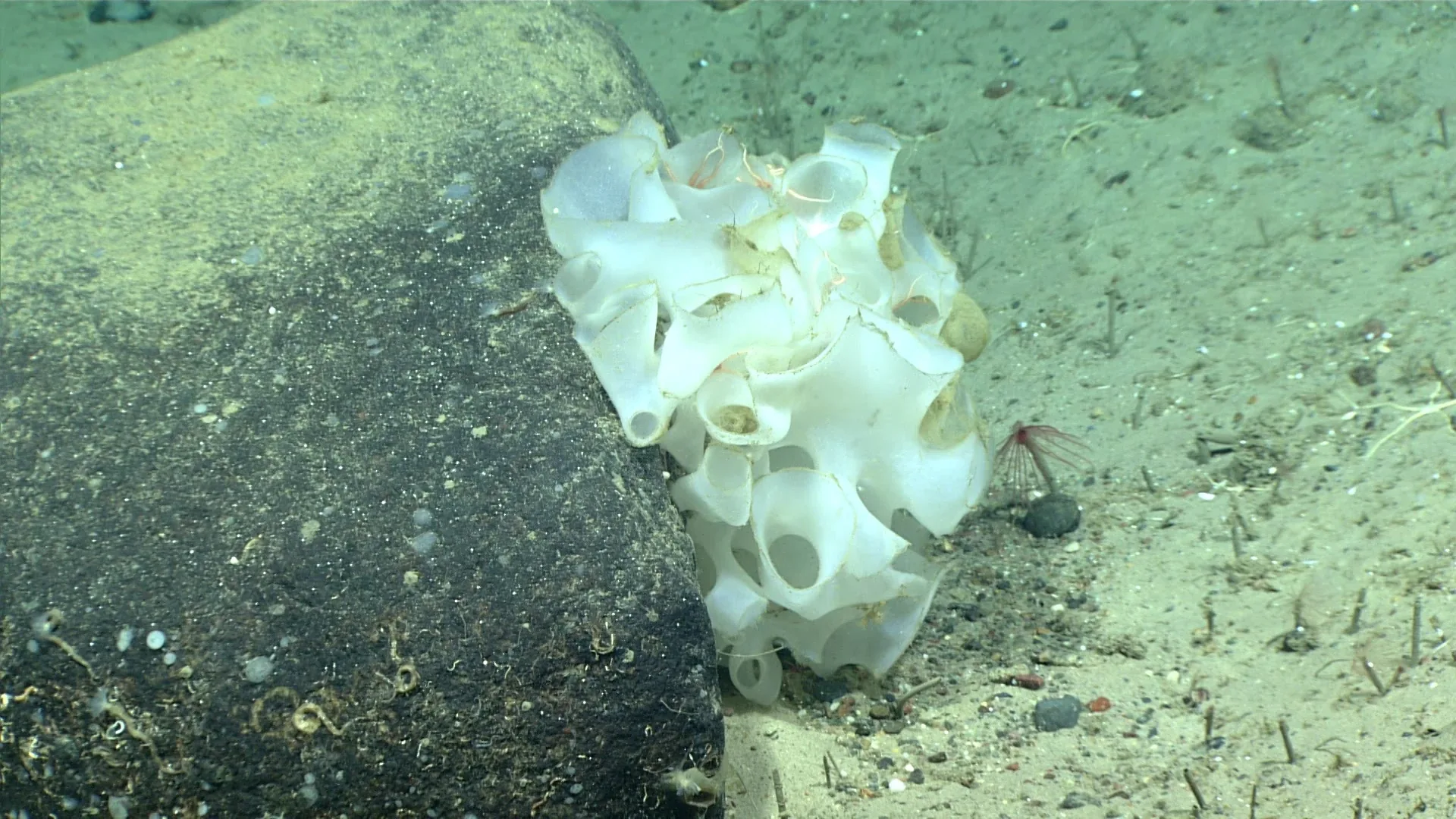
Sponge communities provide habitat and process moving water. Recent research adds a distinct role: retaining genetic traces of their surroundings.