Article · Field note 47
The deep ocean is changing on more than one clock
The deep ocean can seem insulated from climate change because its water is cold, dark, and far from the atmosphere. That distance slows some changes; it does not stop them. Heat enters the ocean at the surface and is transported downward and across basins. Dissolved oxygen can change as warming alters oxygen solubility and as circulation and biological consumption shift. The result is not a single uniform trend at every depth and place.
NOAA’s National Centers for Environmental Information maintains a global ocean heat content record from 1955 onward, divided into several depth ranges and basins (NOAA climate data record). In the State of the Climate 2025 summary, NOAA reported that global ocean heat content from the surface to 2,000 meters reached a new record high in 2025 (NOAA annual assessment). That statement concerns a defined upper-ocean interval and a global average. It does not mean that every deep trench warmed by the same amount.
Heat moves through layers
The ocean stores most of the excess heat accumulated in Earth’s climate system. Wind-driven mixing, currents, and the sinking and rising of water masses move heat below the surface. A regional record can differ from the global average because circulation redistributes heat unevenly. A specific depth range may warm, cool temporarily, or vary around a long-term trend.
Measurements come from ship profiles, autonomous floats, moorings, and historical observations. Coverage has improved but remains uneven, especially in remote and very deep regions. NOAA’s heat content product combines measurements into depth-specific time series and anomalies. An anomaly is a departure from a reference average, not the direct temperature of an animal’s habitat.
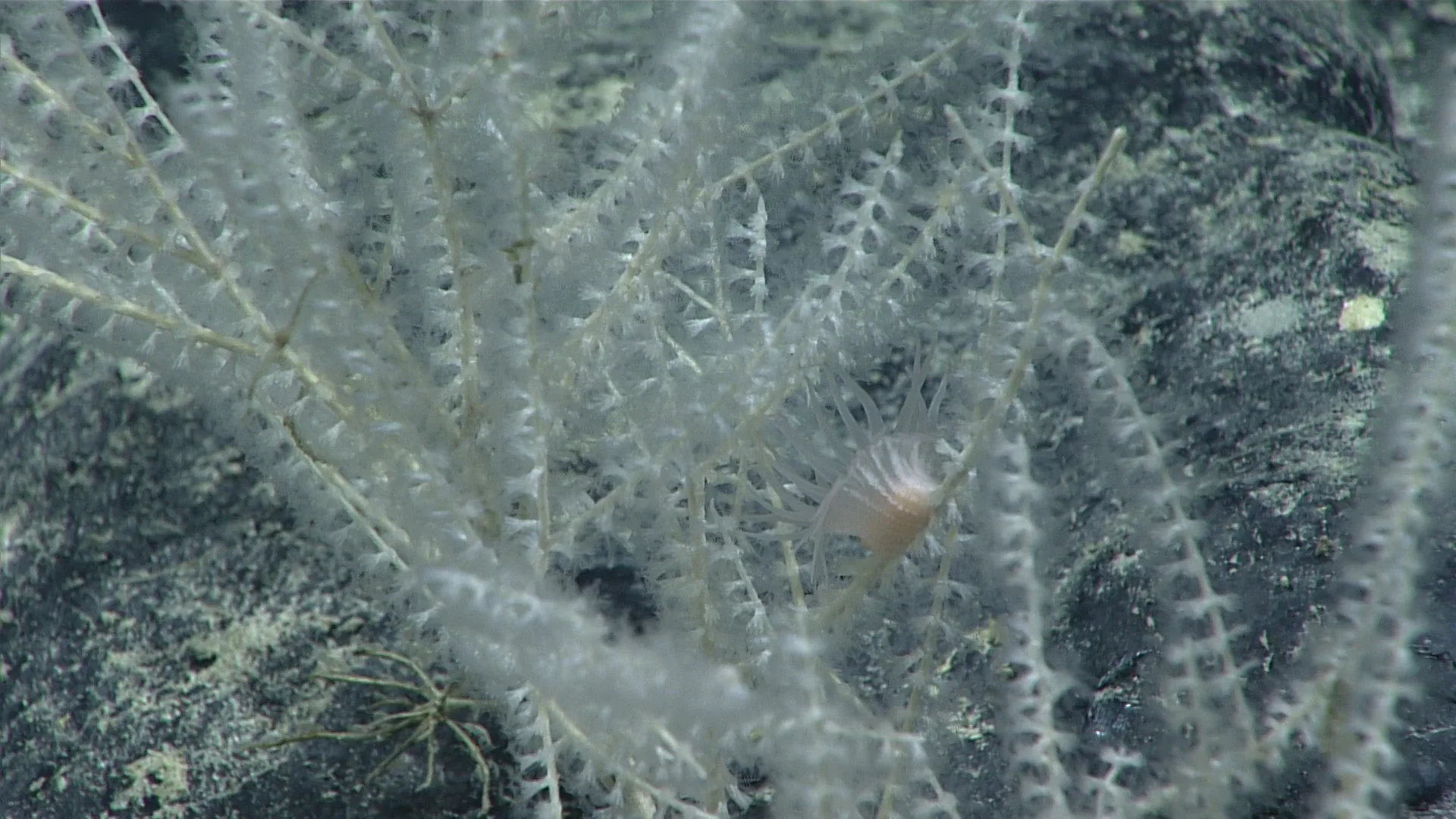
For an organism, local conditions matter: bottom temperature, oxygen, salinity, current speed, and the food supply. A global heat record can show that the ocean is accumulating heat, while a habitat assessment needs finer-scale measurements. A seamount coral and a trench-dwelling amphipod experience different water masses and may respond on different time scales.
Oxygen has a different story
Warming seawater can hold less dissolved oxygen at equilibrium. Changes in stratification and ventilation can also affect how oxygen reaches deeper layers, while microbes and animals consume it as organic matter is decomposed. These processes interact. A low-oxygen zone can be a natural feature of a particular water mass and can shift with circulation and productivity.
The IPCC’s assessment of ocean biogeochemical cycles reports observed oxygen changes and projects further declines in some depth ranges under future warming scenarios (IPCC AR6, Chapter 5). The assessment distinguishes the subsurface ocean from deeper waters and emphasizes uncertainty across regions and models. It is therefore safer to say that oxygen decline is a large-scale concern with depth- and basin-specific patterns than to claim that all abyssal water is becoming oxygen-poor.
A major global analysis found that ocean oxygen inventory declined over the past five decades and discussed warming and reduced ventilation as contributing mechanisms (peer-reviewed analysis in Nature). Its historical period, data coverage, and depth structure matter. Long-term ocean records are difficult because oxygen measurements are less continuous than temperature at many locations.
Why oxygen shifts affect animals
Animals need oxygen for aerobic metabolism, but species differ in how much oxygen they require and how they respond to low levels. Some can reduce activity, shift habitat, or use physiological strategies that tolerate reduced oxygen. Others have narrower limits. Oxygen conditions can affect where animals feed, reproduce, and find refuge from predators.
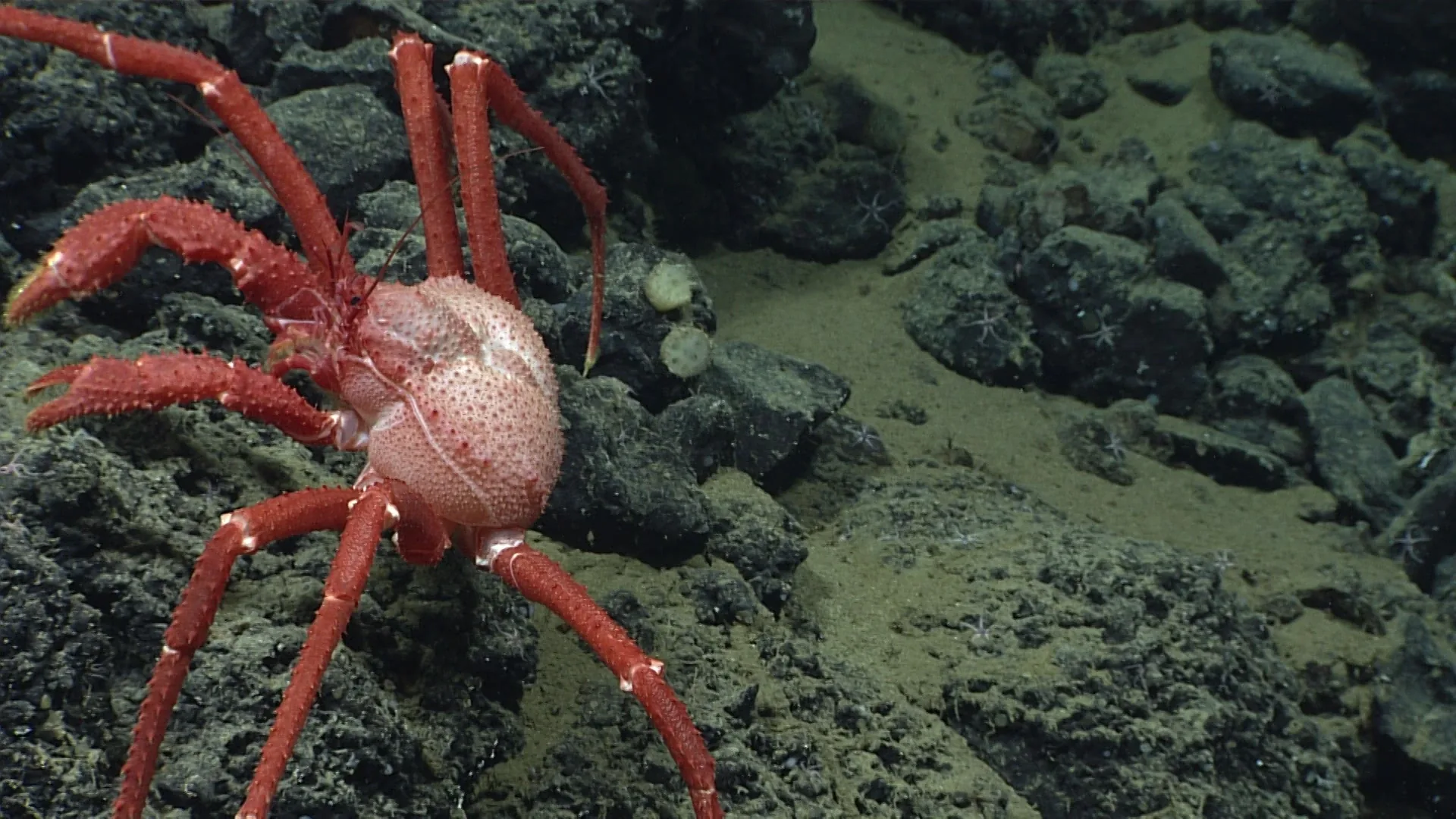
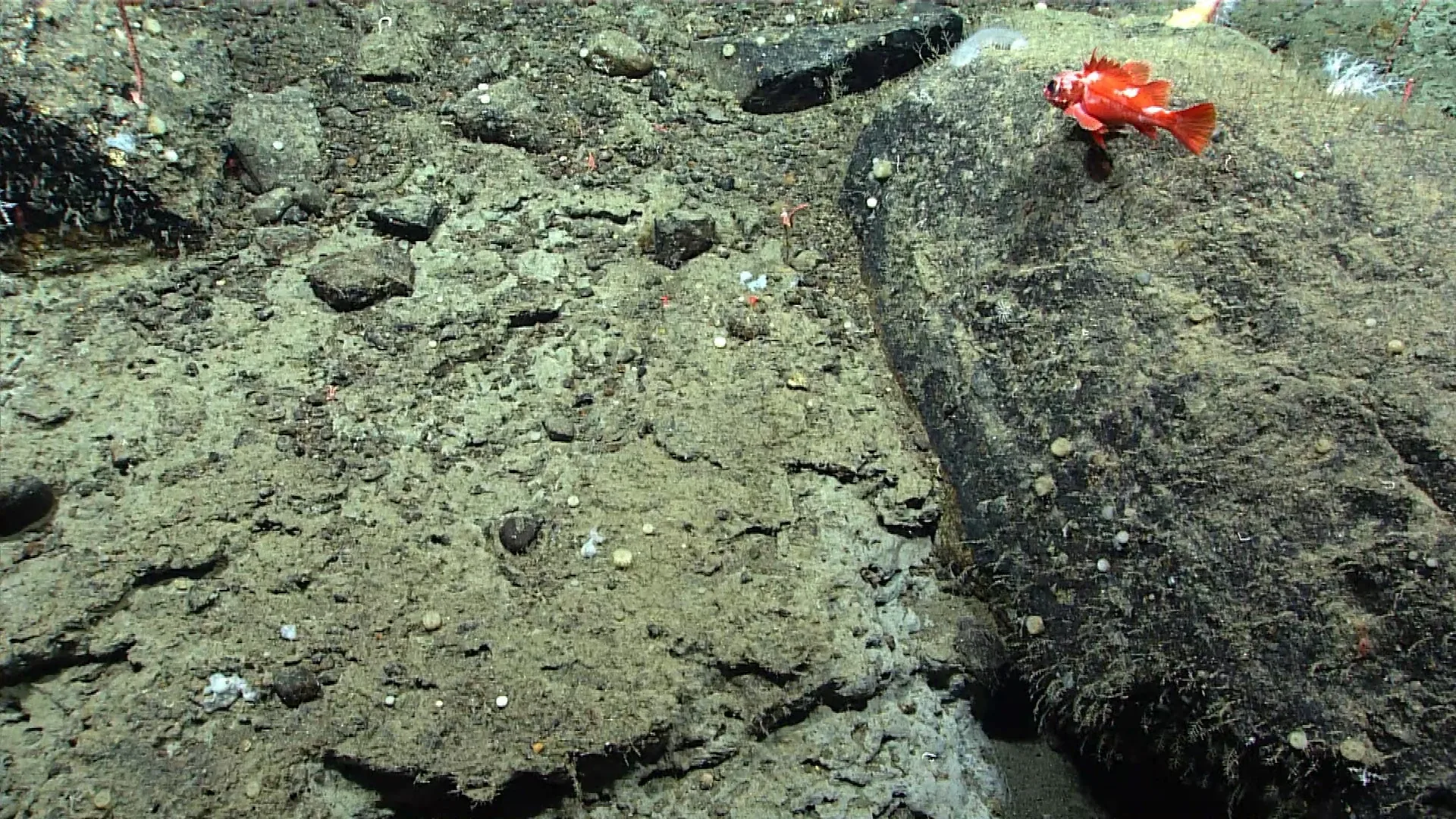
Warming can also change metabolic demand, but the response is not identical across species. A fish’s temperature tolerance cannot be inferred from a coral’s; an animal’s observed presence at a depth does not show its full tolerance range. Experiments and field surveys measure different aspects of vulnerability. Habitat shifts may change predator-prey interactions and the location of fisheries, but those outcomes depend on regional conditions.
In the deep sea, a change in oxygen can intersect with existing oxygen minimum zones, food delivery, and migration pathways. Midwater species that move vertically may cross layers with different oxygen levels. A benthic animal may face a local shift as water masses change. The ecological response depends on both the organism and the rate of environmental change.
The sampling problem beneath the trend
The deep ocean is difficult to monitor continuously. Research ships visit limited stations, and moorings can be expensive to deploy and recover. A sparse record makes it harder to tell whether a local change is persistent or part of natural variability. Models fill spatial gaps, but they rely on observations for calibration and validation.
Avoid a false sense of insulation
This distinction should shape public descriptions. A record of heat increase down to 2,000 meters does not establish a uniform warming rate in the abyss. A global oxygen trend does not specify the future of a particular canyon. Good reporting names the depth range, region, time span, and uncertainty behind a statement.
Keep the habitat scale visible
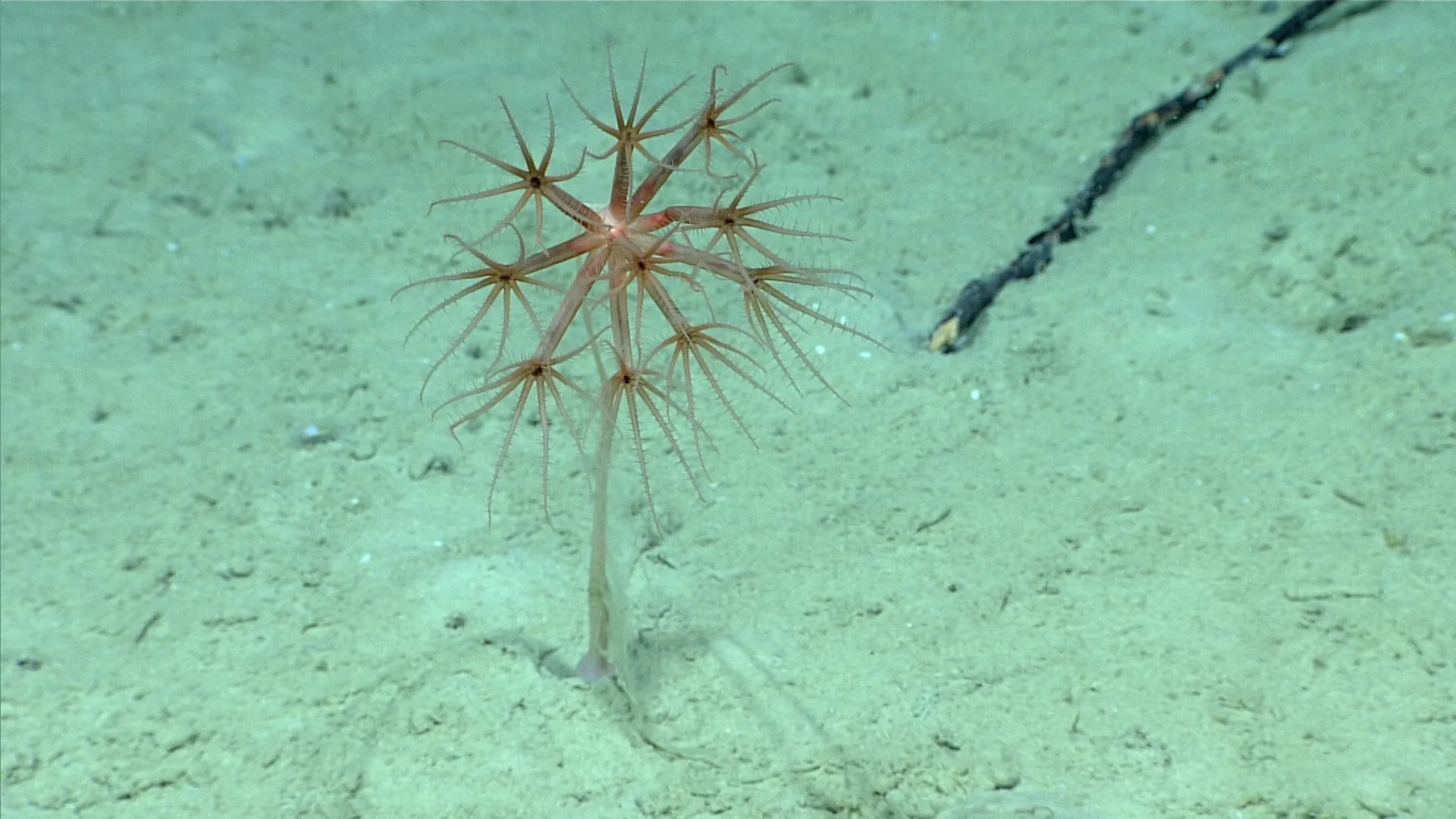
Climate projections become meaningful for deep-sea ecology when tied to the habitats and species they describe. A coral may face changes in temperature and carbonate chemistry; a fish may respond to shifting oxygen layers; a migrating animal may alter its depth. The mechanisms overlap, but the outcome differs.
The practical monitoring question is whether a local change persists across seasons and instruments. A warming trend and a short-lived water-mass excursion can look similar in a brief record. Keeping temperature, oxygen, depth, and sampling interval together allows researchers to distinguish those explanations before attributing a community change to one cause.