Article · Field note 50
Waiting for every species name is not a strategy
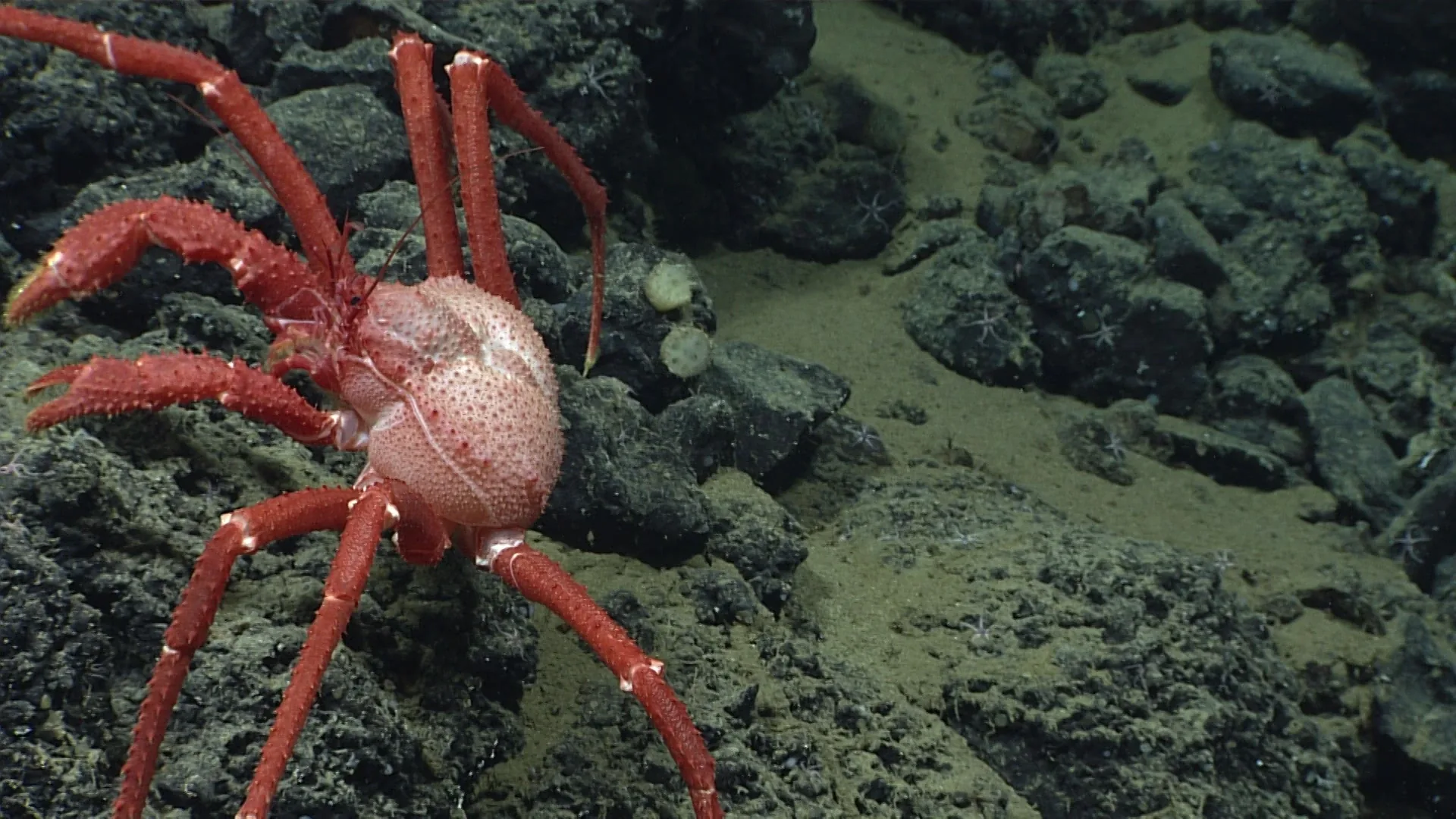
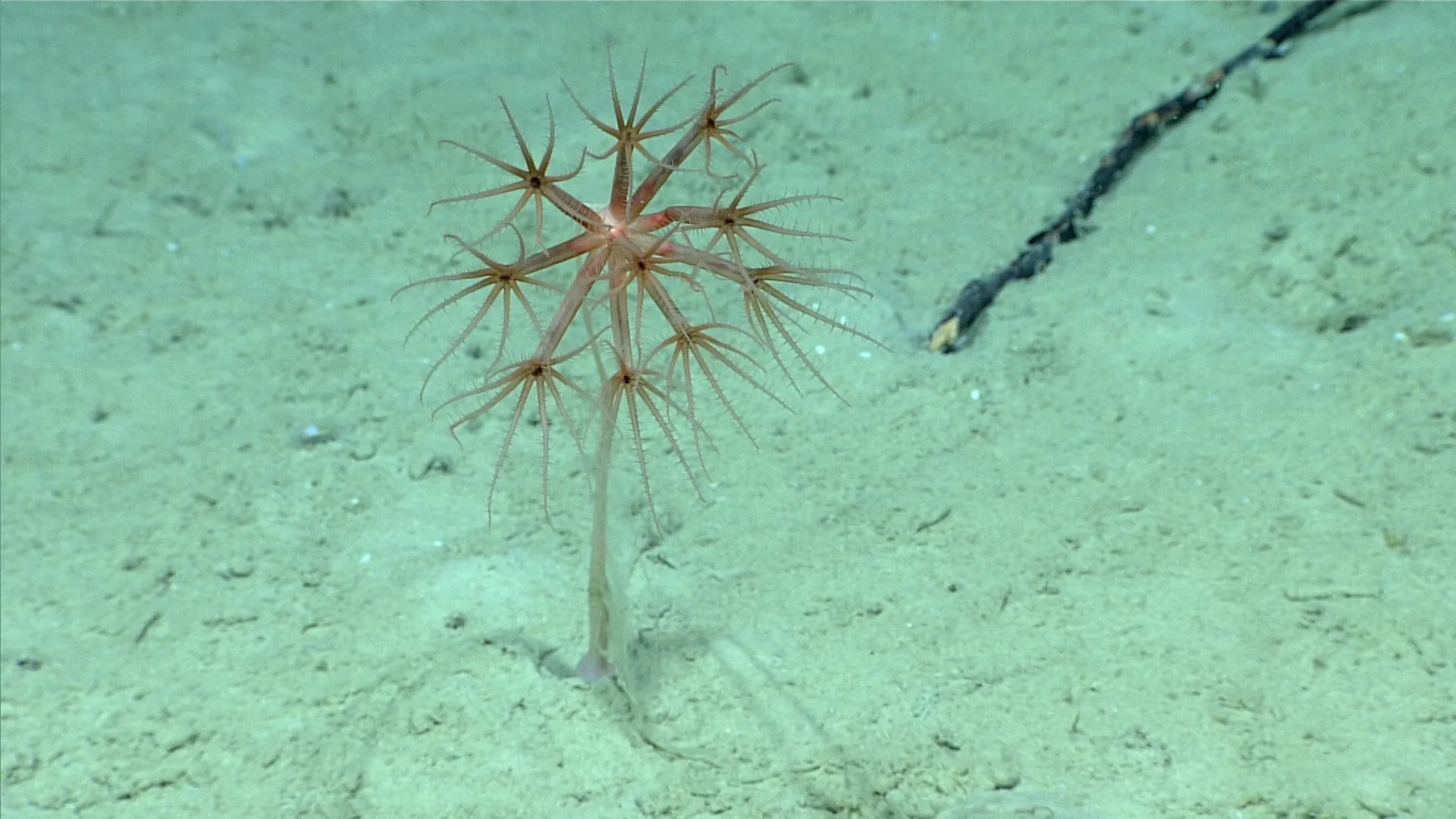
Deep-sea exploration routinely records animals that are difficult to identify from video alone. Some are new to science; others are known species seen from an unfamiliar angle. A habitat can support ecological functions even while its full species list is incomplete. That creates a practical question: how can researchers and managers protect a place when taxonomy, distribution, and life history are still being documented?
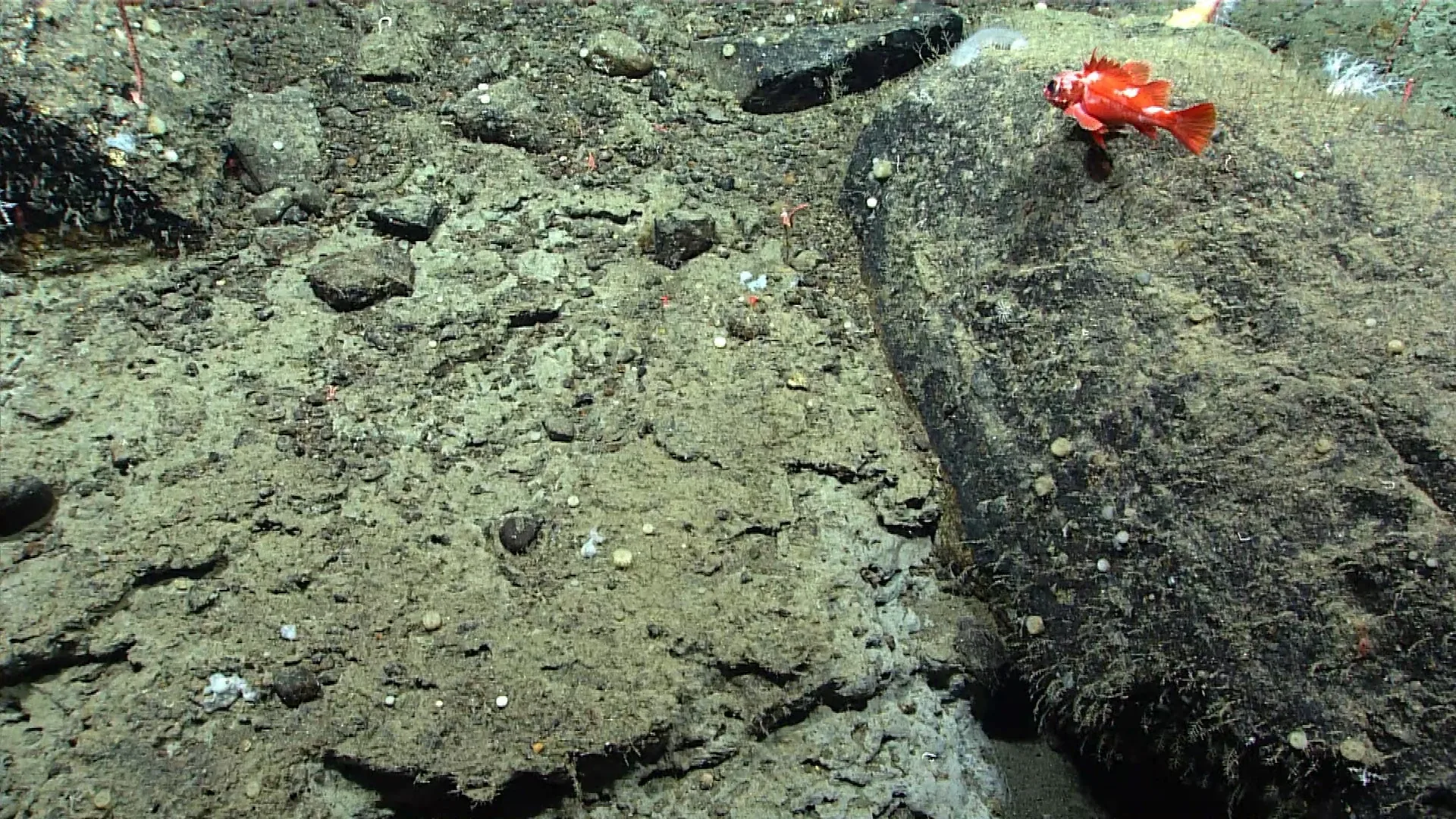
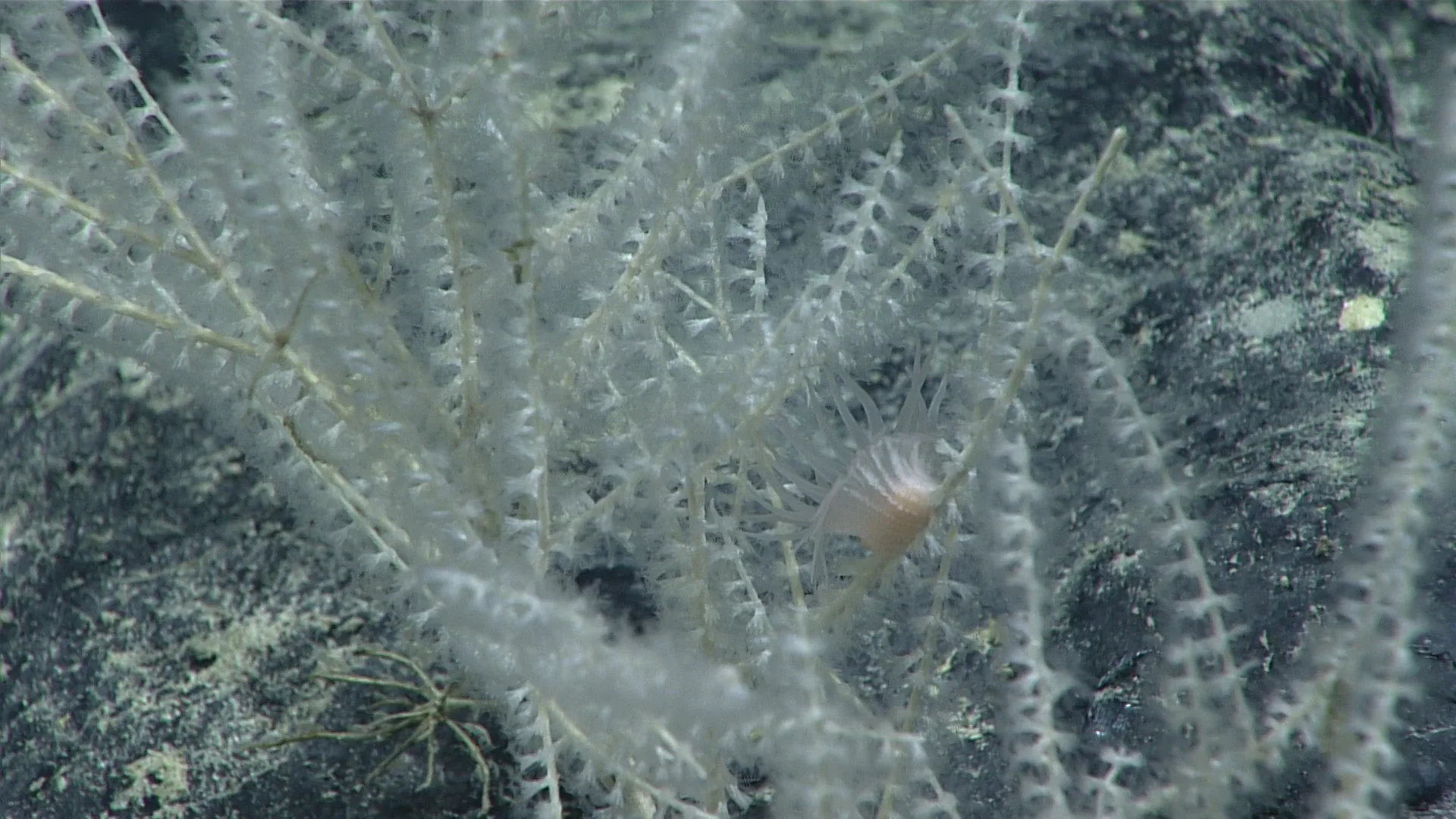
The answer begins with physical and ecological evidence. A mapped coral garden has structure that other organisms use. A nodule field has hard surfaces embedded in sediment. A vent site has distinctive chemical gradients. Researchers can describe these features and the observed communities without claiming to know every species. NOAA’s deep-sea coral habitat overview describes how corals and sponges create habitat for fish and invertebrates, while noting that the known distribution continues to grow through exploration.
Habitat can be a useful conservation unit
Protecting a habitat does not require a complete inventory of all organisms living there. It can preserve substrate, structure, and conditions that support a community. A coral colony may provide attachment points and shelter; a canyon can focus currents and sediment; a vent field sustains microbial production and associated animals. These features are visible and measurable even when their ecological roles are only partly understood.
Habitat-level protection has limits. A boundary that protects one site may not protect species that migrate between habitats or disperse larvae over long distances. The selected area must also represent the ecological feature it is meant to conserve. A small protected patch may not capture an entire canyon, seamount slope, or population. Connectivity and regional distribution therefore matter.
For the Clarion-Clipperton Zone, the ISA uses designated Areas of Particular Environmental Interest within a regional environmental management plan to conserve biodiversity, ecological structure, and ecosystem functioning (ISA regional plan). This example shows how spatial planning can protect areas before every species or process is fully documented. The design still depends on continuing data and review.
Unknown is not the same as unimportant
An undescribed species may be ecologically common, rare, or narrowly distributed; its scientific status alone does not tell us which. The absence of a name can reflect limited sampling or taxonomic difficulty rather than low ecological value. Meanwhile, habitat structure can be vulnerable even if the resident species are familiar.
This is why conservation planning can use multiple indicators: structural habitat, endemic or sensitive taxa, ecosystem function, connectivity, and exposure to pressure. No single indicator is sufficient everywhere. A coral ground may be important because it supports a community; a nodule province may be important because many animals depend on nodules as attachment surfaces. The rationale should be stated clearly so the plan can be evaluated.
Surveys reduce uncertainty over time
Protection and research should work together. ROV imagery can map visible organisms; specimens and genetic sequences clarify taxonomy; sensors measure oxygen and chemistry; repeated surveys reveal change. Open data allow researchers to compare observations and revise identifications. NOAA’s animal guide links images to depth, locality, and dive context, making those records reusable as taxonomy evolves (NOAA guide).
Long-term monitoring can also detect unintended change. A protected area may still experience warming, oxygen shifts, pollution, or outside fishing pressure. Establishing baseline conditions before a disturbance makes it easier to identify later change. Reference sites and repeated measurements help separate natural variability from human impact.
Precaution should be specific
“Protect the unknown” can sound like a slogan unless it names a risk and a response. A specific precaution might avoid bottom-contact gear over confirmed coral habitat, preserve reference areas near a mining interest, or require more survey data before authorizing a disturbance. Each action should be tied to measurable goals and review dates.
Precaution does not mean assuming the worst possible outcome. It means recognizing that uncertainty can be consequential when a habitat is slow to recover or a species is limited to one region. Researchers can identify which uncertainties are reversible through later research and which could become irreversible after disturbance. The difference helps determine where stronger safeguards are justified.
The scale should match the ecological process. Protecting one coral colony may preserve the animal but not the surrounding community. A seamount network may be needed to maintain connected populations; a protected site may need buffer zones for plume or sediment impacts. Science informs these boundaries, while governance determines how to implement them.
Keep the evidence open to correction
The first maps of a habitat may be incomplete. A species identification can change; a model can prove less accurate than expected; a protected boundary can miss a newly discovered feature. Conservation systems are stronger when data, methods, and decision rationales are publicly available and can be revised.
Open records also guard against false certainty. If a site is protected because a rare species was reported there, readers should be able to see the image, identification confidence, and survey method. If later review changes the name, the management rationale can be updated. A correction does not invalidate conservation; it improves the evidence used to guide it.
A protection plan can define success before a disturbance occurs: retain representative substrate, preserve connections among habitats, and specify which observations would trigger revision. That makes precaution operational. It also makes later evaluation possible, rather than treating either a protected boundary or a newly discovered species as sufficient proof of an effective outcome.